
Temnocalyx obovata
Temnocalyx obovata
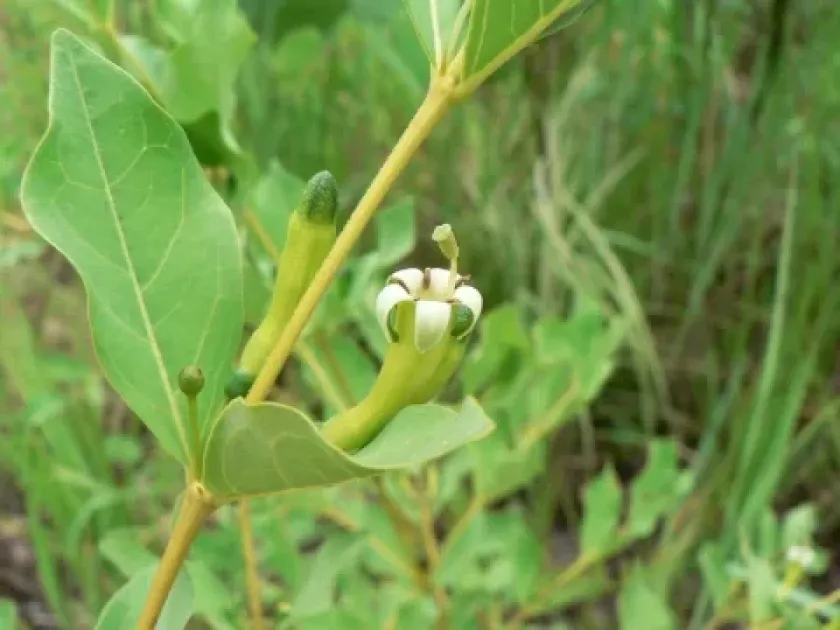
Description
Sowing dates
Temnocalyx obovata belongs to the Rubiaceae family and is recognized as a rare woody species endemic to the island of Madagascar. In its native habitat, it thrives in humid forest conditions, occupying specific niches within the local flora.
Propagation of this culture in an agricultural or greenhouse environment is typically achieved through seeds or stem cuttings. Successful germination relies on the use of a lightweight, nutrient-rich, and well-draining substrate that mimics the forest floor environment.
Seeds should be sown in early spring, as the natural increase in day length stimulates growth. Keeping the soil temperature stable between 22 and 25 degrees Celsius is essential to encourage early root development and seedling emergence.
Once seedlings have reached the two-leaf stage, they require careful handling during transplantation to avoid damaging the delicate root hairs. Providing high humidity and indirect light at this stage is crucial for young plant establishment.
The transition to a permanent container or greenhouse bed should only happen once the plant is sufficiently matured. A focus on root system health during the first few months is the foundation for a healthy, long-living specimen.
Growing requirements
Temnocalyx obovata demands a well-aerated soil structure with a slightly acidic to neutral pH level. Avoiding heavy, waterlogged clay soils is mandatory to prevent root asphyxiation, which is a common issue for many tropical Rubiaceae species.
Climate requirements include a stable temperature range of 20 to 28 degrees Celsius, mimicking the tropical climate of its origin. Fluctuations below 15 degrees Celsius can cause severe stress and potential dormant phases that are not typical for this plant.
High relative humidity, ideally between 70 and 80 percent, is necessary to maintain the turgor pressure in leaves. In dry conditions, misting or the use of automated humidifiers is recommended to prevent leaf margin drying.
Watering should be conducted with soft water, avoiding high mineral content or chlorine. It is essential to ensure the top layer of the substrate dries out slightly between waterings to encourage healthy root growth and prevent fungal stagnation.
Fertilization should be balanced, focusing on a mix of macro and micro-nutrients during the active growing season. Applying half-strength liquid fertilizer once every two weeks is often sufficient to support steady leaf production without burning the roots.
Main diseases and pests
Fungal pathogens such as Fusarium or root rot are the primary threats to this plant when moisture management is poor. These diseases often manifest as browning at the base of the stem or wilting despite adequate watering.
Pests like spider mites and mealybugs are commonly encountered in greenhouse settings, especially when air circulation is limited. These insects can quickly reduce the ornamental value of the plant if not addressed early.
Integrated pest management, including regular visual inspections and the use of botanical soaps or targeted acaricides, is recommended. Keeping the plant clean and removing any dead foliage helps reduce the harbor for pests.
Prevention is the best strategy for maintaining the health of Temnocalyx obovata, which includes maintaining optimal spacing between plants. Good air movement reduces the risk of powdery mildew and other airborne fungal diseases.
By consistently providing the required microclimate and monitoring for early signs of stress, growers can successfully preserve this unique species. Attention to detail and environmental stability remain the keys to its agricultural survival.