
Tambourissa crassa
Tambourissa crassa
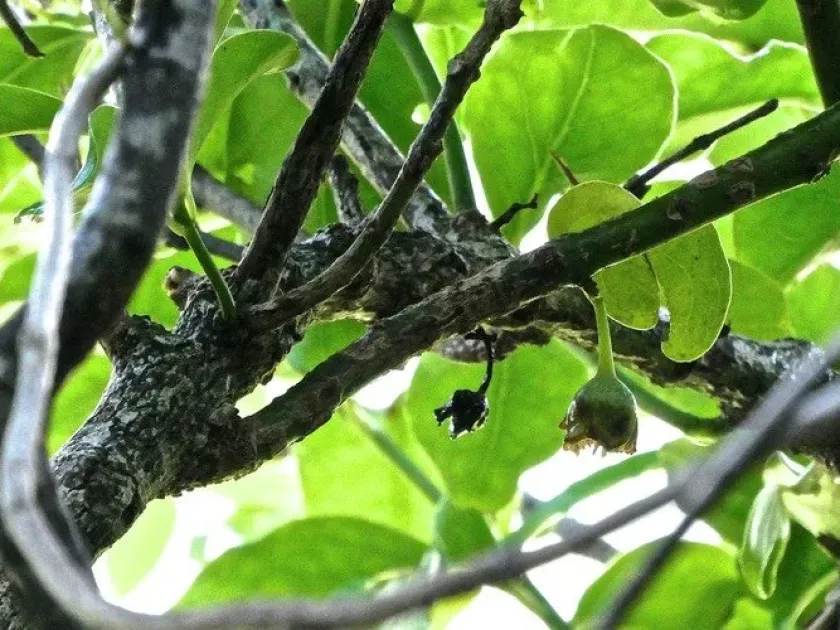
Description
Growing requirements
Tambourissa crassa is a rare tree species belonging to the Monimiaceae family. Native to the island of Mauritius, it naturally occurs in high-altitude moist forests, where it forms an essential part of the local ecosystem structure.
Botanically, this evergreen tree features thick, coriaceous leaves that are well-adapted to the high humidity levels of its native habitat. It maintains a slow growth habit, which is characteristic of many endemic species within its genus.
The cultivation of this plant requires a stable tropical climate, as it cannot tolerate frost or significant temperature drops. Maintaining atmospheric humidity levels consistently above 70-80% is critical for the survival and physiological development of the specimens.
Regarding soil requirements, Tambourissa crassa thrives in fertile, well-drained substrates with a slightly acidic to neutral pH profile. Because the roots are susceptible to rot, providing a high-quality drainage system is essential to prevent waterlogging.
In terms of agricultural and economic use, this species is primarily valued for botanical research and conservation efforts rather than large-scale commercial cultivation. Due to its status as an endangered endemic, its use is heavily restricted to protect the remaining populations in the wild.