
Takakia ceratophylla
Takakia ceratophylla
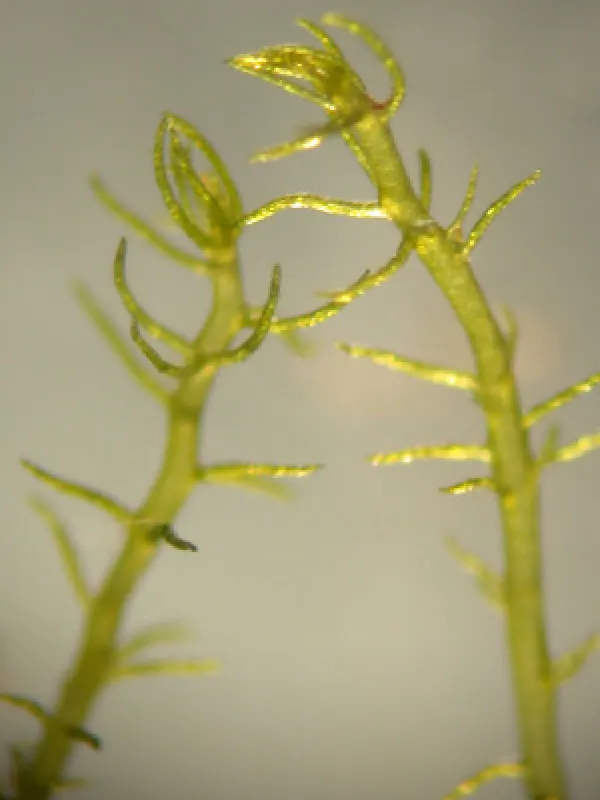
Description
Growing requirements
Takakia ceratophylla is a primitive species of moss belonging to the Takakiaceae family. It is not an agricultural crop but is instead a subject of intense botanical interest due to its status as a living fossil, having remained largely unchanged for millions of years.
The plant is found in remote, high-altitude regions such as the Himalayas, the Aleutian Islands, and parts of the Arctic tundra. It thrives in extreme, nutrient-poor environments, typically growing on wet rocks or in areas near glaciers where conditions are consistently freezing.
Botanically, it exhibits a unique morphology, with spirally arranged leaves that distinguish it from other mosses and liverworts. It is recognized for having one of the slowest growth rates among bryophytes, reflecting its adaptation to short growing seasons in harsh climates.
In terms of habitat requirements, it relies on high atmospheric humidity and cold temperatures to survive. Standard agricultural practices, such as soil cultivation or the use of fertilizers, are lethal to the plant, as it is highly specialized for mineral-poor, cold, and stable rock surfaces.
The primary utility of this plant lies in scientific research. Its genome provides critical data for evolutionary biology, helping scientists understand how early land plants adapted to terrestrial life and survived various geological upheavals throughout Earth's history.