
Taiwania
Taiwania cryptomerioides
Description
Growing requirements
Taiwania cryptomerioides is a magnificent coniferous species belonging to the Cupressaceae family. It is widely recognized for its impressive height and status as a relic species within the forest ecosystems of East Asia.
The native distribution covers mountainous regions in Taiwan, China, Myanmar, and Vietnam. The tree requires a subtropical climate with high humidity, significant annual rainfall, and protection from extreme temperature drops.
Successful cultivation depends on deep, fertile, and well-drained soils. Because the species is native to mountain slopes, it does not tolerate waterlogging and requires specific topography to maintain root health.
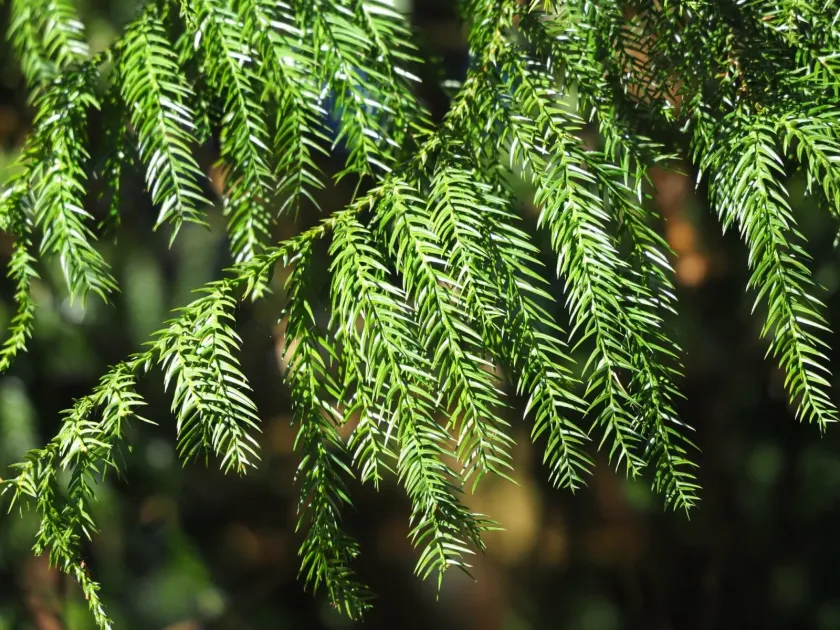
Botanically, the species shows unique leaf dimorphism, changing from needle-like juvenile leaves to scale-like mature foliage. The bark is fibrous and reddish-brown, contributing to the tree's distinct appearance.
Economically, Taiwania is highly prized for its wood, which is resistant to decay and termites. It is mainly used in specialized forestry, furniture making, and as an ornamental species in large-scale park landscapes.
Main diseases and pests
Root rot is the most significant threat to the health of the trees, primarily caused by improper soil moisture management. Ensuring good aeration is a vital part of the plantation's maintenance.
The species can be vulnerable to various insect pests, including aphids and scales, which target new growth. Integrated pest management strategies are recommended for plantation sustainability.
Fungal pathogens may compromise the wood quality if the trees suffer from severe environmental stress. Maintaining optimal tree vigor is the best defense against long-term infection.
Wildfires pose a critical risk, especially in the dry season. Implementing fire prevention measures and creating firebreaks are essential protocols for managing Taiwania stands.
Anthropogenic disturbances and habitat loss remain significant threats to the natural populations, necessitating ongoing conservation efforts and sustainable forestry practices for the species.