
Synthyris houghtoniana
Synthyris houghtoniana
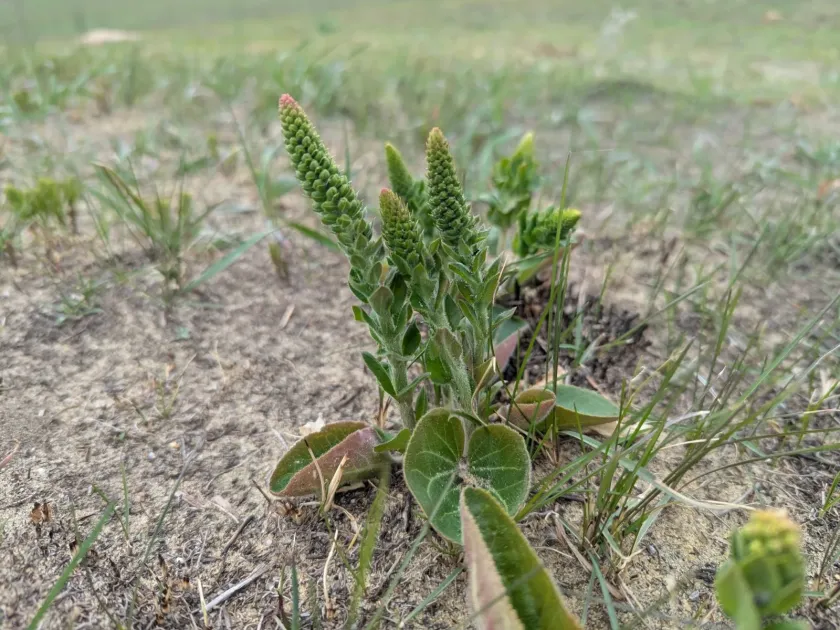
Description
Growing requirements
Synthyris houghtoniana is a herbaceous perennial plant belonging to the Plantaginaceae family. Native to the northwestern regions of North America, this species is typically found in shaded woodland environments and on well-drained rocky slopes, which defines its specific ecological needs in cultivation.
For successful growth, the plant requires a light, porous soil medium that allows for excellent drainage. It thrives in soils rich in organic matter, such as leaf mold or compost, but it is strictly intolerant of stagnant water, which can quickly lead to root decay and the death of the plant.
The climate requirements for this species are centered around temperate conditions with moderate air humidity. It performs best in partial shade, mimicking its natural habitat where the canopy provides protection from the harsh midday sun, which can dehydrate the foliage and inhibit blooming.
Maintenance practices should focus on moisture management. During the growing season, consistent but moderate watering is necessary to keep the soil slightly moist but never waterlogged. Applying a mulch of organic material around the base of the plant helps maintain soil temperature and moisture levels.
In terms of horticultural use, Synthyris houghtoniana is prized by gardeners for its early spring blooms and attractive basal rosettes of leathery leaves. It is a perfect candidate for shade gardens, rock gardens, and woodland borders where it adds aesthetic value without requiring aggressive maintenance.
Main diseases and pests
The primary threat to the health of this species is fungal infection caused by poor air circulation and excessive moisture. Root rot is a common issue if the planting site is too damp, making site selection and proper drainage the most important preventive measures.
Pests such as slugs and snails represent a significant danger, especially in damp, shaded spots. They frequently feed on the tender emerging foliage. Integrating protective measures, such as copper tape or organic baits, is recommended to ensure the plant remains healthy throughout the spring season.