
Synotis kunthiana
Synotis kunthiana
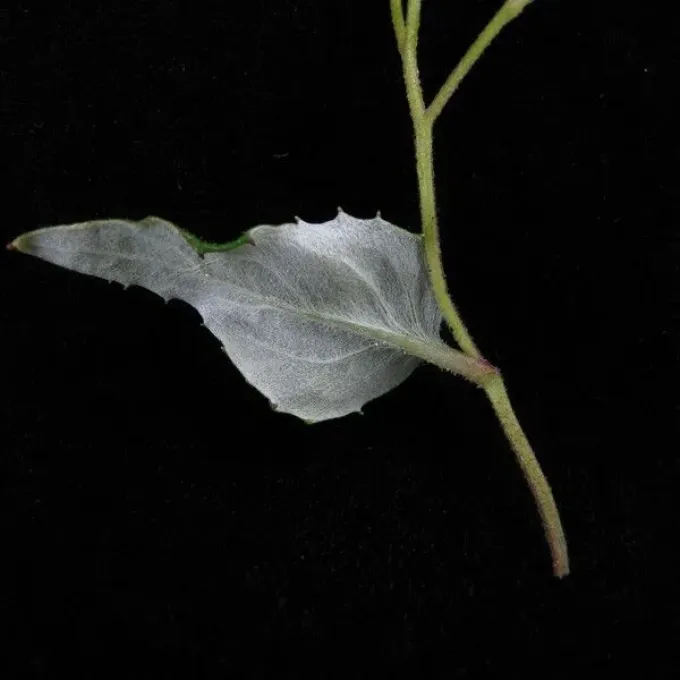
Description
Growing requirements
Synotis kunthiana is a perennial herbaceous plant belonging to the Asteraceae family. Originally native to the high-altitude regions of the Himalayas, it is adapted to survive in harsh mountainous environments characterized by rocky terrains and cool climates.
The botanical structure of the plant features erect stems and alternate leaves, often covered in dense pubescence. This adaptation helps the plant manage transpiration and protects the foliage from high levels of ultraviolet radiation present in alpine habitats.
To cultivate this species successfully, growers must prioritize excellent drainage. The soil should be gritty and rich in organic matter to mimic natural scree environments where this plant thrives, ensuring that root systems remain aerated at all times.
Climate requirements include moderate temperatures and high humidity, while avoiding stagnant conditions. The plant is well-suited for temperate, high-elevation zones where temperature fluctuations between day and night are significant.
In terms of agricultural utility, Synotis kunthiana is primarily studied for its resilience. While not a commercial commodity on a global scale, it serves as an excellent model for exploring secondary metabolites and potential pharmaceutical applications derived from alpine flora.
Main diseases and pests
The primary agricultural threats to this crop involve fungal pathogens such as downy mildew and various root rot diseases. These issues are almost exclusively triggered by improper irrigation management or poor airflow within the planting site.
Pest pressure is typically observed during the warmer months, with aphids and spider mites being the most common invaders. These pests specifically target the soft tissue of new growth, often causing significant chlorosis.
Cultural control is the most effective management strategy. Maintaining proper spacing between plants ensures adequate ventilation, which significantly reduces the humidity levels that fungal spores require to proliferate and colonize the host.
If an infestation occurs, integrated pest management (IPM) practices should be employed. This includes using biological controls or soft soaps to mitigate insect damage while preserving the sensitive balance of the plant's microbiome.
Regular field scouting is essential to identify early symptoms of disease. Monitoring the health of the foliage, particularly after periods of heavy rainfall, allows for early intervention and ensures long-term viability of the crop population.