
Sympetalandra densiflora
Sympetalandra densiflora
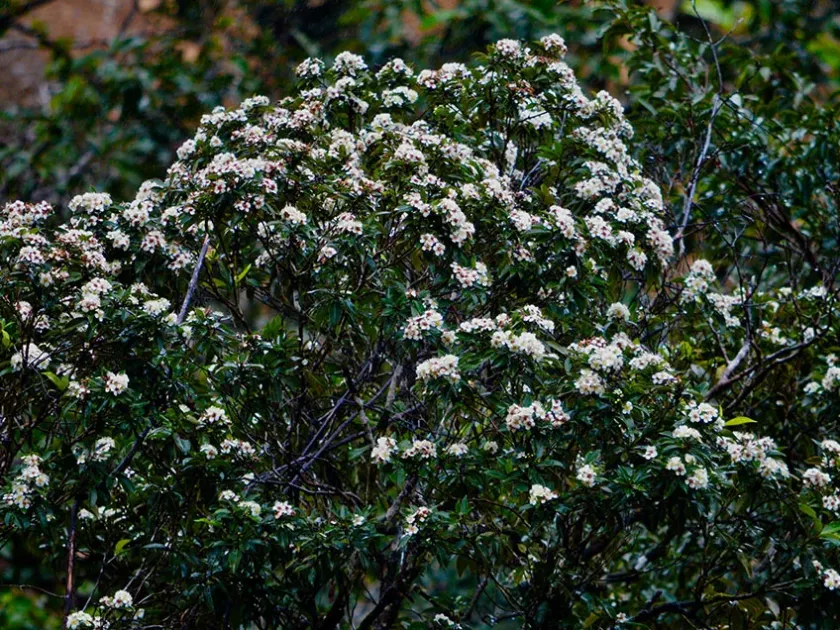
Description
Growing requirements
Sympetalandra densiflora is a specialized tree species belonging to the Fabaceae family. Native to the tropical rainforests of Borneo, it plays a vital role in maintaining the biodiversity of its natural habitat.
The plant requires a high-humidity environment with consistent tropical temperatures. It does not tolerate frost or significant seasonal temperature fluctuations, which restricts its cultivation range to tropical zones.
Soil requirements involve well-drained, nutrient-rich substrates that mimic the floor of a rainforest. High organic matter content is essential for the healthy development of its root system.
In terms of light exposure, the plant typically thrives in dappled sunlight. Providing excessive direct light during the early stages of growth can result in leaf scorch and stunted development.
Agro-technical management includes maintaining specific soil pH levels and ensuring that irrigation practices do not lead to waterlogging, as the species is susceptible to root rot in stagnant conditions.
Harvesting
The primary utility of Sympetalandra densiflora lies in its timber production. The wood is recognized for its durability and structural strength, often used in specialized woodworking and construction projects.
Harvesting is typically conducted through sustainable management practices. Professional foresters assess the maturity of the trees, ensuring that the harvest cycle does not compromise the regeneration of the stand.
Post-harvest processing involves careful seasoning of the timber. Given the density of the wood, specialized drying techniques are necessary to prevent warping or splitting during the curing process.
Sustainability protocols are crucial when extracting resources from these tropical areas. Reforestation efforts using native seedlings are a recommended practice to ensure the continuity of the ecosystem.
The market value of the timber remains high due to its limited availability and unique physical characteristics, making it a sought-after material for specialized craftsmanship and high-end joinery.