
Western Australian peppermint
Agonis flexuosa (Willd.) Sweet
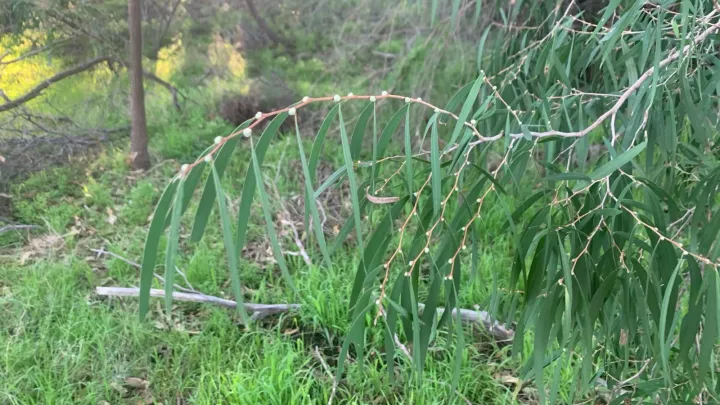
Description
Growing requirements
Agonis flexuosa, commonly known as the Western Australian peppermint, is a stunning evergreen tree belonging to the Myrtaceae family. Native to the coastal regions of Western Australia, it is highly valued for its weeping habit and fragrant, peppermint-scented foliage.
The tree is characterized by its slender, drooping branches and narrow, willow-like leaves. When crushed, the leaves release a fresh, minty aroma, which is a key identifying feature of this species. Its white flowers bloom in clusters along the branches during spring and summer.
To thrive, this plant requires full sun exposure and well-draining soil. It is exceptionally well-adapted to sandy, nutrient-poor substrates and can tolerate wind, making it an excellent choice for coastal landscape projects where other species might struggle.
Climate-wise, Agonis flexuosa prefers mild, temperate environments. It is not frost-hardy and requires protection in areas where temperatures drop significantly below freezing. Establishing a deep root system is essential for the tree's long-term drought tolerance.
The species is primarily utilized for ornamental purposes. It is frequently planted as a specimen tree in parks or used to create elegant privacy screens. Its ability to withstand salt spray and wind makes it a preferred option for seaside garden designs.
Main diseases and pests
The most significant threat to the health of the peppermint tree is root rot caused by Phytophthora species. This disease thrives in waterlogged, poorly drained soil, often leading to rapid decline or total loss of the specimen if not managed early.
Insect pests such as scale insects and mealybugs can occasionally infest the branches and leaves. Regular monitoring and, if necessary, the application of horticultural oils or systemic insecticides help in maintaining the tree's vigor and preventing long-term damage.