
Stylochaeton lancifolium
Stylochaeton lancifolium
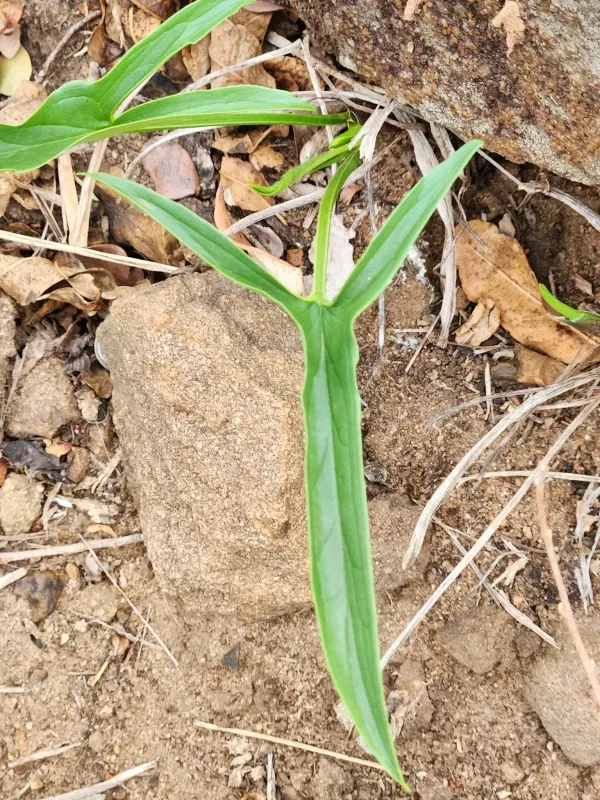
Description
Growing requirements
Stylochaeton lancifolium is a notable member of the Araceae family, characterized by its tuberous growth habit and lanceolate foliage. As an indigenous species of East Africa, it has evolved within tropical environments marked by seasonal climatic fluctuations.
Successful cultivation requires temperatures that remain consistently warm throughout the year, as the plant possesses no tolerance for freezing conditions. It thrives in regions where the growth cycle is strictly dictated by the transition between wet and dry seasons.
The preferred soil composition should be highly porous to ensure efficient drainage, preventing root rot which is common in many aroid species. A pH level ranging from slightly acidic to neutral provides the most favorable environment for nutrient uptake in this plant.
Water management is critical during the vegetative growth phase. Irrigation should be applied carefully to mimic natural rainfall patterns, avoiding any waterlogged conditions that could compromise the health of the subterranean tuberous organs.
Regarding its utility, the plant remains primarily of botanical and local interest rather than a staple commercial crop. While some species within the genus are utilized for local sustenance due to starch content in their tubers, intensive farming of Stylochaeton lancifolium is not currently standard practice.