
Stropharia rugoso-annulata
Stropharia rugoso-annulata Farlow ex. Murr.
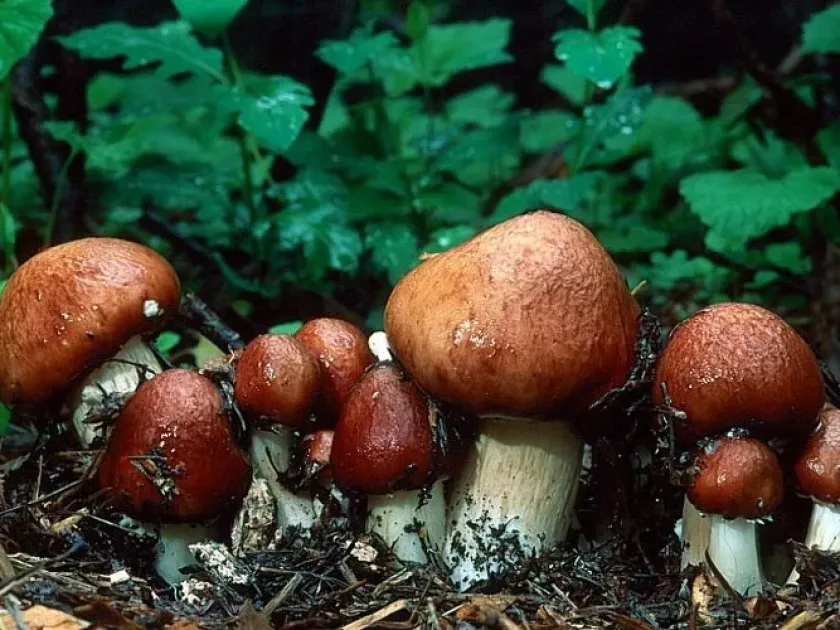
Description
Sowing dates
Stropharia rugoso-annulata, commonly known as the Wine Cap mushroom or Garden Giant, belongs to the Strophariaceae family. It is a highly valued species for cultivation due to its aggressive growth and adaptability to various agricultural substrates.
The best time for inoculating outdoor garden beds is in the spring. Soil temperatures should reach at least 12–15°C to ensure the mycelium can colonize the substrate effectively without the threat of late spring frosts.
Substrate preparation involves shredding wheat or rye straw and hydrating it thoroughly. Pasteurization or cold fermentation is recommended to reduce the presence of competing fungi and bacteria, giving the Stropharia mycelium a competitive advantage.
Mycelium is typically applied in layers within the straw substrate. A high seeding rate is essential, usually requiring 500 grams of spawn per square meter, to achieve quick colonization and a strong foundation for future fruiting.
Once the bed is inoculated, it should be covered with a layer of soil or mulch. This casing layer serves to retain moisture, protect the delicate mycelium from direct sun, and stimulate the initiation of fruit body formation.
Growing requirements
Successful cultivation of the Wine Cap mushroom requires a balance of environmental factors. Mycelial growth prefers temperatures between 22 and 26°C, while the fruiting process is triggered by cooler temperatures ranging from 15 to 18°C.
Humidity is paramount for this species. The substrate should be maintained at a moisture level of approximately 70%. If the environment becomes too dry, the growth process stalls, and the potential for mushroom production is significantly reduced.
Light levels are not critical for the health of the fungus, but indirect light is necessary for the development of the characteristic reddish-brown cap color. Mushrooms grown in total darkness may appear lighter and less attractive to consumers.
Adequate ventilation is necessary, especially in greenhouse conditions. High concentrations of CO2 can cause malformation of the mushroom stems and inhibit the natural growth cycle of the caps.
The substrate can be enriched with organic materials such as wood chips or leaf mold, which mimic the natural habitat of this fungus. Consistent moisture and a rich supply of cellulose are the foundations of a successful harvest.
Yield
The Wine Cap mushroom is known for its high productivity. Under optimal conditions, a grower can expect a yield of 5 to 15 kg per square meter, making it a very efficient crop for small and medium-scale farms.
Harvest occurs in flushes, typically with a 10 to 14-day interval between each active fruiting period. The total duration of the crop cycle depends on the volume of the substrate and the climate, usually lasting up to one full season.
Quality spawn is the single most important factor for maximizing yields. Using certified, vigorous mycelium helps to minimize the time between inoculation and the first harvest, which can be as short as four weeks.
During the harvest, it is important to monitor the beds closely. Mushroom growth can be very rapid, and if left too long, the mushrooms can quickly become over-mature, losing their texture and culinary value.
After the cycle concludes, the spent substrate becomes a high-quality organic amendment. It is rich in partially decomposed organic matter and fungal biomass, which is excellent for improving soil fertility in other garden areas.
Main diseases and pests
Competition from Trichoderma (green mold) is the most significant threat to Stropharia beds. This mold can rapidly colonize a poorly prepared substrate, choking out the Stropharia mycelium and ruining the crop.
Fungus gnats and sciarid flies are common pests that lay eggs in the substrate. Their larvae feed on the mycelium and the developing mushrooms, creating unsightly tunnels that render the product unfit for market.
Slugs and snails are major nuisances, particularly in outdoor beds. They can consume young pins and damage the caps of mature mushrooms overnight, requiring mechanical barriers or regular manual collection.
Bacterial blotch is a condition where brown, sunken spots form on the mushroom caps. This is usually caused by stagnant water sitting on the mushrooms, which encourages bacterial growth. Improving airflow is the best preventative measure.
Integrated pest management, including regular bed inspections and maintaining a clean cultivation environment, is essential. Using high-quality spawn and ensuring proper substrate hygiene prevents most common threats.
Harvesting
Harvesting should occur just before the veil underneath the mushroom cap breaks. This is when the flavor is best and the mushroom is at its peak culinary quality, retaining a firm texture that is ideal for shipping.
To harvest, gently rotate the mushroom and pull it from the substrate. This method leaves the substrate undisturbed and prevents leaving behind tissue that could decay and harbor unwanted bacteria or pests.
Once harvested, mushrooms should be cleaned of any attached straw or dirt. They should be handled with care to avoid bruising, which quickly leads to dark marks and a decrease in the shelf life of the product.
Storage is time-sensitive. Stropharia rugoso-annulata should be kept at 2–4°C to slow down metabolism and keep the caps firm. Even in cold storage, the shelf life is relatively short, usually limited to a few days.
Marketing these mushrooms requires efficient logistics. Because they grow in flushes, growers must be prepared to handle large quantities of produce over a short window, often requiring pre-established sales channels.