
Stomatanthes africanus
Stomatanthes africanus
Description
Sowing dates
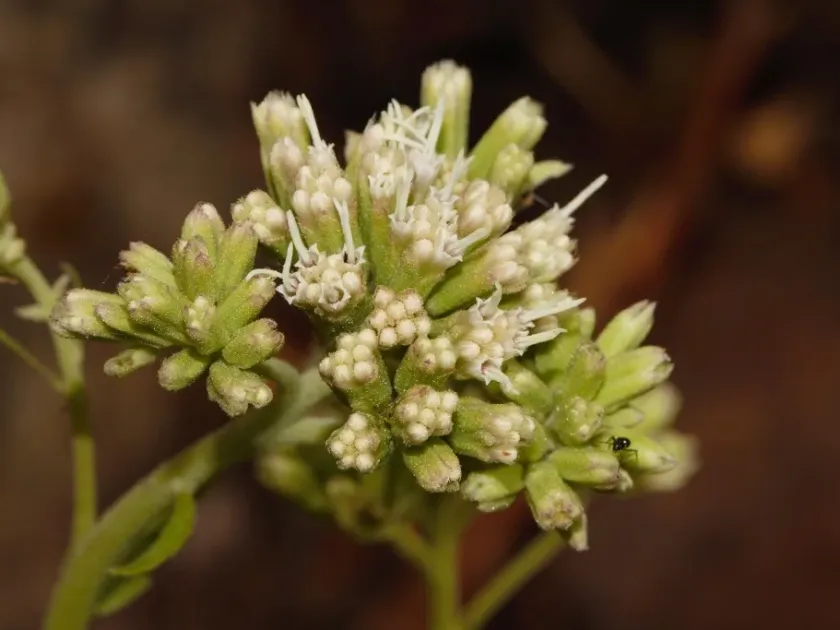
Stomatanthes africanus is a distinct herbaceous plant belonging to the Asteraceae family. Native to the tropical regions of Africa, it is adapted to specific seasonal growth cycles.
The sowing process begins when the soil temperature consistently stays above 20 degrees Celsius. In temperate climates, greenhouse propagation is often used to ensure successful germination.
Seeds should be planted in a well-prepared seedbed enriched with organic matter. Proper spacing is essential to ensure that each seedling receives enough light and air circulation.
Care must be taken to keep the substrate moist but not waterlogged during the germination stage. Using a light cover of sand or vermiculite can help maintain appropriate moisture levels around the seeds.
As the seedlings emerge, they should be monitored for growth rates and thinned out if overcrowding is observed, ensuring the healthiest plants are given space to mature.
Growing requirements
This crop thrives in high-light conditions and should be planted in a sunny location with unobstructed access to solar radiation throughout the day.
Soil quality is paramount for the health of Stomatanthes africanus. The ideal soil type is a sandy loam with excellent drainage characteristics to prevent root suffocation.
Watering requirements depend on the stage of development, but generally, the plant prefers consistent moisture without accumulation of water in the root zone.
The optimal temperature range for this species is between 20 and 30 degrees Celsius. It is relatively sensitive to frost and should be protected during cold snaps.
Nutrient management involves applying balanced fertilizers during the active growing season, focusing on supporting both foliage development and the floral cycle.
Main diseases and pests
Common plant diseases in this species are often associated with fungal pathogens like powdery mildew, particularly when humidity levels are excessively high.
Pests such as spider mites and aphids can become a significant issue, especially in dry environments where the plant's natural defenses may be weakened.
Root rot is a major threat in soils with poor drainage. Implementing a rigorous irrigation schedule and using well-draining substrates are key preventative measures.
Regular sanitation of the cultivation area is necessary to prevent the buildup of soil-borne diseases. Rotating crops helps maintain long-term soil health.
In case of pest infestation, integrated pest management (IPM) strategies, including biological controls, should be prioritized to minimize the impact on the environment.