
Wireplant
Stipulicida setacea
Description
Growing requirements
Stipulicida setacea, commonly known as wireplant, is a member of the Caryophyllaceae family. While it holds a place in botanical classifications, it is not recognized as a commercial agricultural crop or a plant cultivated for human consumption or industrial processing.
The native range of this plant is restricted to the southeastern United States. It is typically found in habitats such as pine barrens, sandy ridges, and clearings where the soil is nutrient-poor, porous, and well-drained, which are characteristic of its preferred ecological niches.
Growth requirements for wireplant involve full sun exposure and sandy soil conditions. The plant is evolutionarily adapted to environments where water drains rapidly, meaning it does not tolerate waterlogging and relies on a deep, efficient root system to survive periodic moisture deficits.
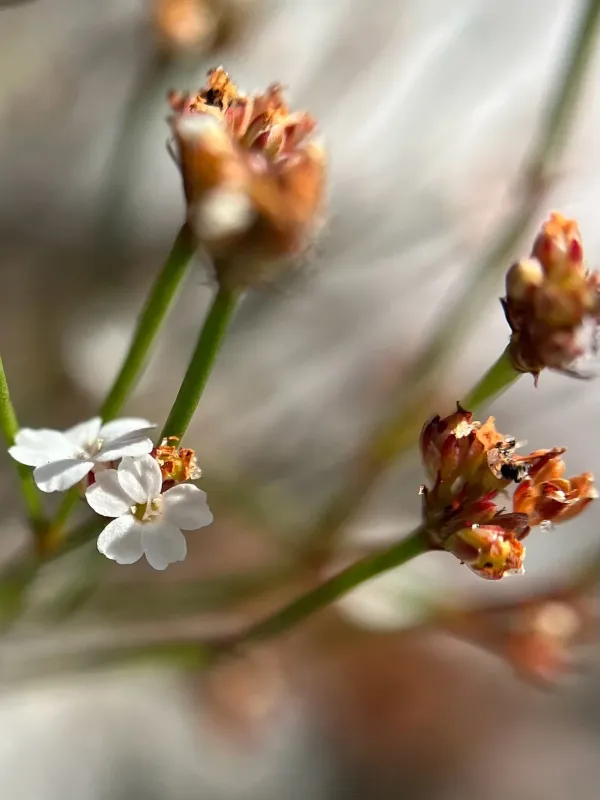
Botanically, Stipulicida setacea is distinguished by its small basal rosettes and delicate, dichotomously branched stems that give the plant a thin, wire-like appearance, which explains its common name. The flowers are minuscule, typically white or pinkish, appearing during its relatively short spring growing season.
Regarding human utility, the species serves primarily ecological and scientific purposes. It is valued by naturalists and researchers interested in native plant conservation, particularly in the context of maintaining the integrity of sandy, fire-adapted ecosystems where the plant naturally thrives.