
Steriphoma elliptica
Steriphoma elliptica
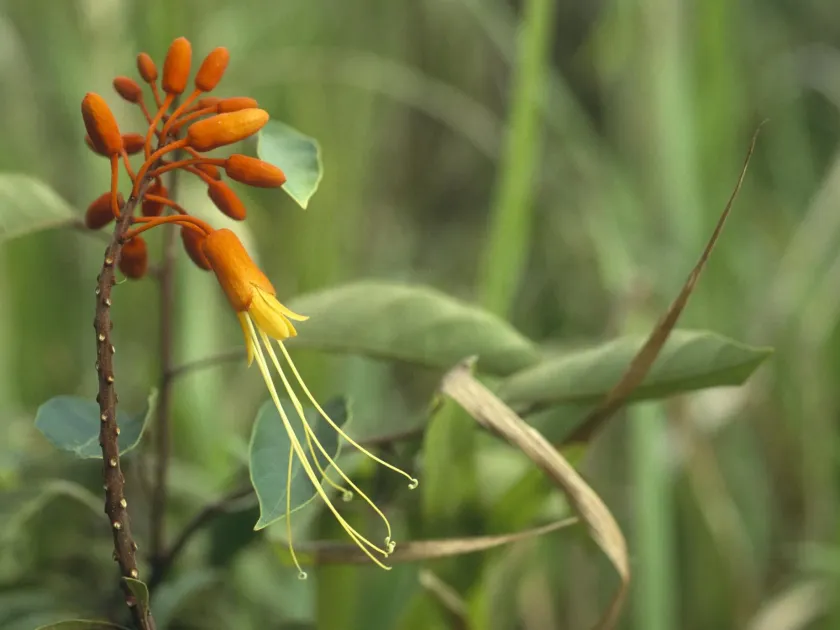
Description
Growing requirements
Steriphoma elliptica is a distinctive species within the Capparaceae family, native to the tropical regions of South America. It typically grows as a small tree or a large shrub, characterized by its elliptical foliage and vibrant tubular flowers, which are highly ornamental in tropical garden settings.
The plant has evolved in semi-arid environments, making it naturally resilient to long dry spells. In terms of botanical structure, it features a sturdy woody stem and leaves that are adapted to minimize water loss, which is a key trait of xerophytic flora found in its native ranges like Venezuela and Colombia.
Soil requirements for Steriphoma elliptica involve a preference for well-draining substrates, such as sandy loams or gritty soil mixes. It is imperative to avoid waterlogged conditions, as the root system is prone to hypoxia and subsequent rot if subjected to excess stagnant moisture in the root zone.
Climatic conditions for this species are strictly restricted to tropical and sub-tropical zones where frost is non-existent. It thrives under full sun exposure, which is necessary to maintain its compact growth form and to stimulate the metabolic processes required for consistent and healthy flowering cycles.
Regarding its economic use, Steriphoma elliptica is primarily cultivated for ornamental purposes in botanical gardens and private landscaping projects in warm climates. Its ability to tolerate low soil fertility and high light intensity makes it a candidate for sustainable xeriscaping projects in tropical urban planning.
Main diseases and pests
The main threats to the plant health include soil-borne pathogens triggered by poor drainage and excessive humidity. In indoor or greenhouse cultivation, common greenhouse pests like mealybugs and spider mites may infest the plant, necessitating regular monitoring and appropriate integrated pest management strategies.