
Stenosolenium saxatile
Stenosolenium saxatile
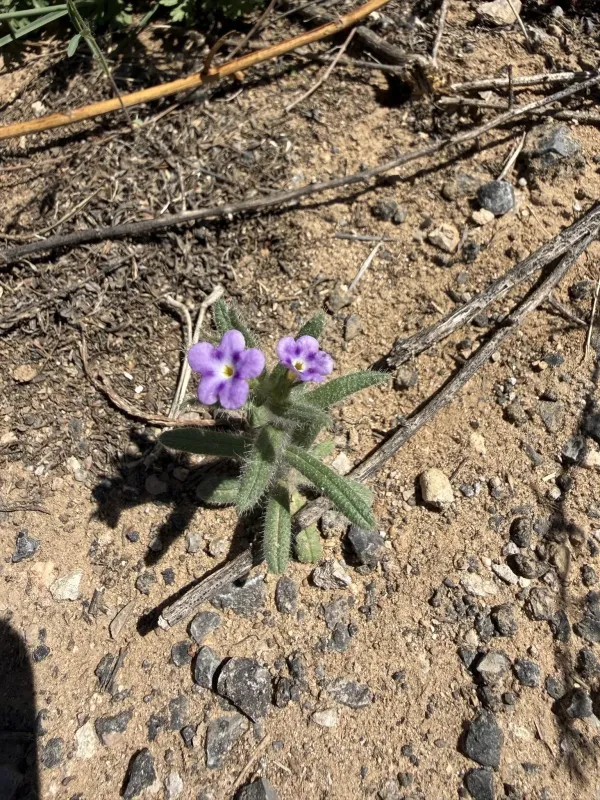
Description
Growing requirements
Stenosolenium saxatile is a specialized herbaceous plant belonging to the Boraginaceae family. Originally found in rocky steppe habitats, this species has evolved to thrive in nutrient-poor, arid environments, exhibiting significant morphological adaptations to harsh weather conditions.
Botanically, the plant is characterized by its stiff stems covered with trichomes, which reduce transpiration and protect the tissue from intense solar radiation. The deep taproot system allows the plant to anchor securely in rocky fissures and access deep-seated moisture during drought periods.
Cultivation requirements necessitate well-draining soil structures, such as sandy loams or gravel-heavy substrates. Waterlogging must be strictly avoided, as the root system of Stenosolenium is highly susceptible to hypoxia and fungal rot if moisture persists in the rhizosphere for too long.
The plant demonstrates excellent resilience to high thermal fluctuations and low precipitation levels. When managed properly in a field setting, it requires minimal inputs for irrigation, making it a sustainable option for regions facing climate-induced desertification or soil degradation.
The industrial and agricultural utility of Stenosolenium saxatile is primarily centered on its secondary metabolite profile. Scientists are evaluating the plant for potential use in medicinal botanical extracts, as members of the Boraginaceae family are frequently noted for their bioactive properties, creating opportunities for niche market cultivation.