
Stellera chamaejasme
Stellera chamaejasme
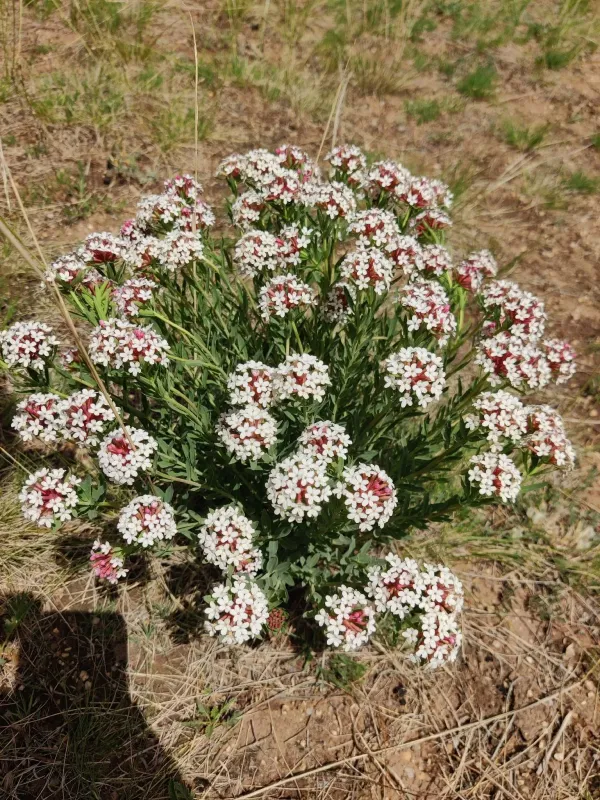
Description
Growing requirements
Stellera chamaejasme, commonly known as dwarf stellera, is a perennial herbaceous plant belonging to the Thymelaeaceae family. It is distinguished by its robust root system and a low-growing habit that allows it to thrive in harsh environments.
Originating from the steppe regions of Eurasia, this plant exhibits exceptional resilience to climatic extremes, including intense cold and drought. It is well-adapted to environments where other vegetation often fails to establish due to moisture scarcity.
The cultural requirements are focused on well-drained soils, as the species is highly susceptible to root decay if water accumulates around the base. It prefers neutral to slightly alkaline pH levels found in sandy or gravel-rich soils.
In terms of agricultural management, Stellera chamaejasme is often classified as a problematic weed in pasture management. Its presence is generally discouraged in forage fields because of its toxic content, which renders it unpalatable and potentially harmful to livestock.
Despite its reputation as an unwanted weed in some sectors, it possesses pharmacological potential. The plant is traditionally utilized in various cultures for its chemical properties, which include antibacterial and anti-inflammatory substances extracted from its roots.
Main diseases and pests
The primary threats to the health of Stellera chamaejasme are fungal pathogens affecting the roots during periods of excessive rainfall or poor soil drainage. Root rot is the most common cause of population decline under wet conditions.
Insect pests include various coleopterans that feed on foliage, but the plant's natural toxicity acts as a defense mechanism, keeping herbivore damage at manageable levels in most natural environments.
Agricultural control methods rely heavily on mechanical eradication, specifically the deep removal of the taproot. Chemical control using systemic herbicides is also employed when the species threatens to dominate rangelands.
Environmental factors such as soil compaction can weaken the plant's defense mechanisms, making it more susceptible to secondary infections or opportunistic pests that thrive in stressed vegetation.
Ongoing monitoring is essential for agricultural areas adjacent to habitats where the plant is native to prevent its encroachment. Proper land management, including maintaining competitive cover crops, is the most effective way to limit its spread.