
Stegnogramma pozoi
Stegnogramma pozoi
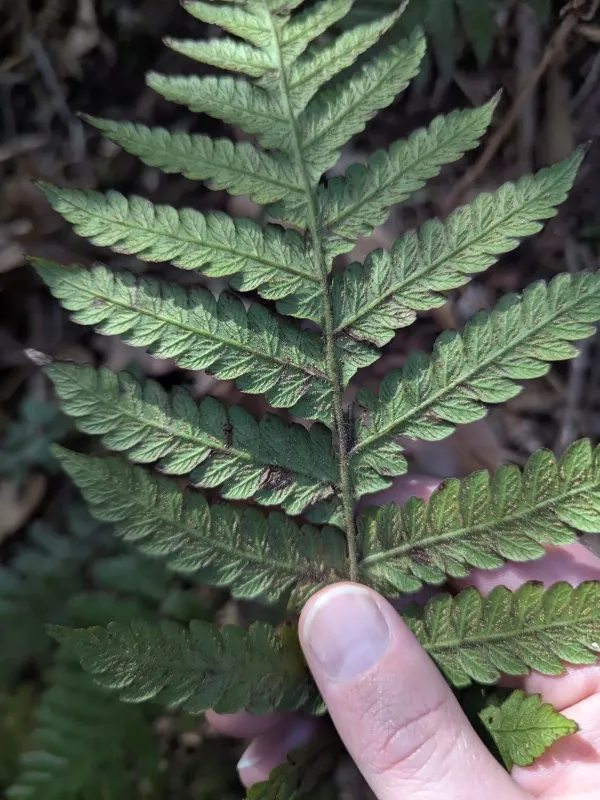
Description
Growing requirements
Stegnogramma pozoi is a perennial herbaceous fern belonging to the family Thelypteridaceae. The plant is recognized for its distinct pinnate fronds and specific arrangement of its sori along the leaf veins.
In its natural habitat, the species thrives in regions with temperate and subtropical climates, including parts of Europe, Africa, and Asia. It prefers shaded, moist areas, commonly found along stream banks and deep forest ravines.
For optimal development, the plant requires consistently moist, humus-rich soil with excellent drainage. An acidic or neutral pH level is considered ideal for the active growth of the fern's rhizomatous root system.
Climate requirements include protection from direct sunlight and sharp temperature fluctuations. During the winter months, the plant may require moderate warmth or a dormant period depending on the geographical origin of the specific population.
The economic use of this species is primarily limited to ornamental gardening and botanical collections. Due to its unique morphology, it remains a subject of interest for botanical gardens and enthusiasts of exotic flora.
Main diseases and pests
The main threats to this species are linked to changes in the hydrological regimes of its forest habitats. The drying out of natural areas leads to the rapid decline and death of the sensitive rhizomes.
The plant is susceptible to fungal diseases if moisture remains stagnant in the root zone. The development of gray mold is a typical issue when substrate aeration is compromised.
Among pests, slugs and snails pose the greatest danger, as they actively graze on the tender young fronds during the spring season. Damage to the leaf blades significantly weakens the overall vitality of the plant.
Improper irrigation leading to an excess of mineral salts in the soil can cause necrosis of the leaf margins. Additionally, high concentrations of fluoride in irrigation water are known to be detrimental to ferns.
To ensure the protection of the population, it is necessary to maintain optimal air humidity and avoid physical damage to the rhizome. An integrated management system includes regular inspections and adherence to appropriate light levels.