
Stauranthera grandifolia
Stauranthera grandifolia
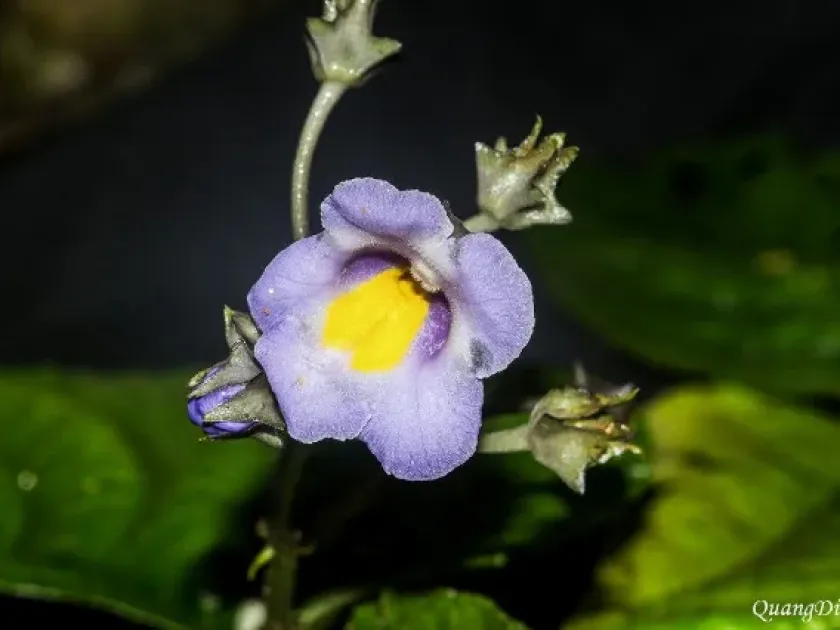
Description
Sowing dates
Stauranthera grandifolia is a remarkable species within the Gesneriaceae family. Propagation is primarily achieved through seeds, which are tiny and require precise handling to ensure successful germination in an agricultural or greenhouse environment.
Seeds should be sown on the surface of a fine, moist, peat-based substrate. Covering the container with a plastic lid is essential to maintain the high humidity levels required for the seeds to germinate effectively without drying out.
Germination typically occurs in stable temperatures between 22 and 26 degrees Celsius. Light is a critical factor, as these seeds are photoblastic, meaning they need exposure to light to trigger the developmental process.
Once seedlings have reached the two-leaf stage, they must be carefully transplanted into individual pots. Minimizing root disturbance is vital, as Stauranthera species are known to react poorly to repotting stresses.
Young plants benefit from a gradual acclimation process. Slowly increasing fresh air circulation helps prepare the seedlings for the environment of the grow area, ensuring stronger growth in the long term.
Growing requirements
This plant thrives in environments that replicate the humid understory of tropical forests. It requires high atmospheric humidity, ideally maintained above 75 percent, to prevent leaf edge browning and dehydration.
The ideal soil mix must be light, airy, and acidic. A blend of high-quality peat, perlite, and a small amount of charcoal is highly effective in maintaining the right balance of moisture retention and root aeration.
Lighting should always be indirect or diffused. Direct sunlight, especially during midday, can severely damage the large, thin leaves of Stauranthera grandifolia, leading to permanent necrotic tissue.
Temperature stability is non-negotiable. The plant is extremely sensitive to cold drafts and rapid temperature fluctuations, which can trigger dormancy or leaf drop if the conditions fall outside its comfort zone.
Watering requires high-quality water, preferably rainwater or purified water. Minerals found in tap water can accumulate in the soil over time, potentially causing damage to the sensitive root system of the plant.
Main diseases and pests
Root rot remains the most significant threat to Stauranthera grandifolia. This condition is almost always the result of overwatering or poor drainage within the cultivation containers, which smothers the roots.
Spider mites are common pests that thrive in the indoor environments where these plants are often grown. They leave tiny webbing and cause the foliage to lose its natural luster and color.
Fungal leaf spots can spread rapidly if moisture remains on the foliage for extended periods, especially in lower light or stagnant air. Proper airflow is the most effective preventative measure against such diseases.
Mealybugs can be problematic, hiding in the leaf axils and stems. Regular inspection of the plant is recommended, as they can cause significant sap loss and weaken the overall structure of the plant.
To manage threats, cultural controls such as keeping the growing area clean and ensuring optimal spacing between plants should be prioritized over the use of harsh chemical pesticides, which the plants may not tolerate.