
Stanfieldiella imperforata
Stanfieldiella imperforata
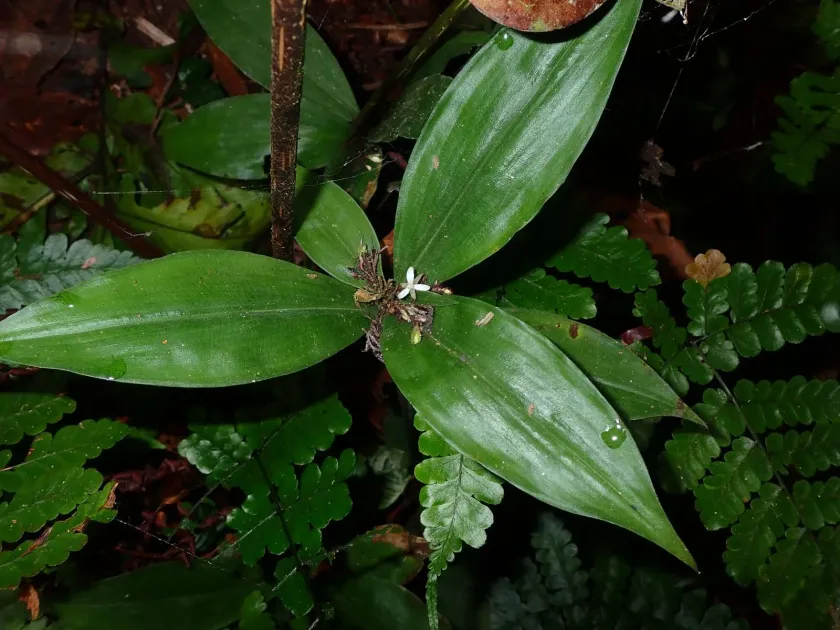
Description
Growing requirements
Stanfieldiella imperforata is a perennial herbaceous plant belonging to the Commelinaceae family. Native to tropical ecosystems, this species typically thrives in moist, shaded environments, often found in forest understories and damp habitats.
The crop requires a stable, warm climate to achieve its full potential. Temperatures should ideally remain consistent between 22°C and 28°C. Cold spells or sudden temperature fluctuations can lead to stunted growth and reduced vigor.
Soil quality is a key determinant for the success of Stanfieldiella imperforata. It prefers well-draining, nutrient-rich substrates with a high organic matter content. The soil must maintain moisture levels without becoming waterlogged.
Light management is essential for this plant, as it is adapted to low-light conditions. Exposure to direct sunlight should be avoided to prevent leaf scorching and chlorophyll breakdown. Artificial shading is often necessary in greenhouse settings.
Watering protocols should be adjusted according to humidity and growth phases. Consistent moisture in the root zone is vital, but excessive water must be avoided to prevent anaerobic conditions in the soil structure.
Main diseases and pests
Pathogen risks are significantly elevated when ventilation is poor and humidity remains stagnant. Fungal infections, particularly root rot, are the primary threats that can devastate a crop if irrigation management is not precise.
Pests such as spider mites and thrips may colonize the foliage during dry periods. These insects can cause significant damage by piercing leaf tissues and spreading secondary pathogens throughout the plantation.
Integrated Pest Management (IPM) is the recommended approach for this species. This involves regular monitoring of the crop, biological controls, and cultural practices that favor the plant's natural resilience over synthetic inputs.
Chemical applications should be used with extreme caution, as the foliage of Stanfieldiella imperforata can be sensitive to specific detergents and surfactants. Always conduct a spot test on a small area before full-scale application.
To ensure long-term health, growers should maintain strict sanitation practices. Removing dead plant matter and keeping the facility clean significantly reduces the reservoir for pests and disease-causing fungi.