
Staminodianthus racemosus
Staminodianthus racemosus
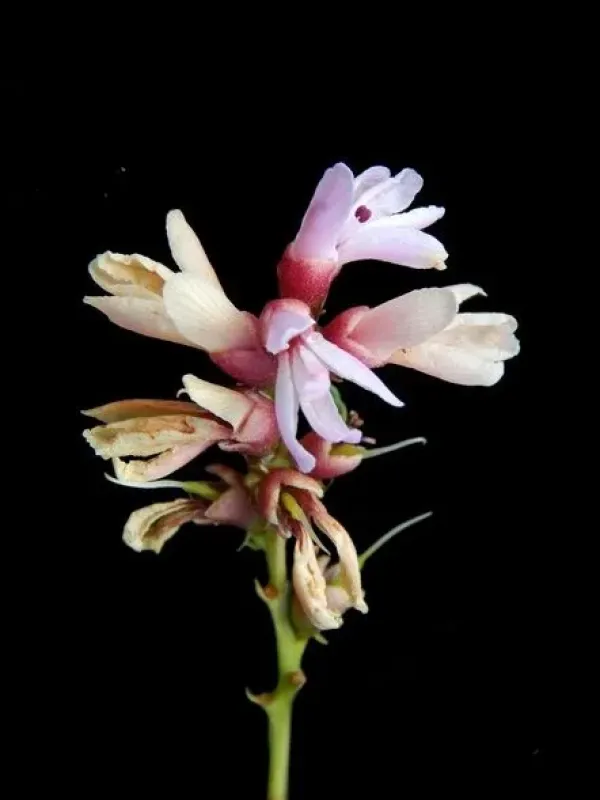
Description
Growing requirements
Staminodianthus racemosus is a distinct member of the Acanthaceae family, known for its unique raceme inflorescences. Cultivating this species requires a deep understanding of its tropical origins to ensure healthy development and vigorous growth patterns throughout the year.
The plant thrives in high-humidity environments, necessitating a climate-controlled setting for optimal performance. Temperature maintenance is vital, as the species does not tolerate extreme cold or sudden temperature drops, which can lead to metabolic stress.
Soil requirements focus on high organic matter content combined with excellent drainage properties. A pH level between 6.0 and 7.0 is recommended to facilitate the efficient uptake of essential nutrients, specifically nitrogen and potassium, required for foliage health.
Regular irrigation is essential, though it must be balanced to prevent waterlogging. The root system is sensitive to hypoxia, so high-porosity substrates are preferred to allow air circulation around the root zone at all times during the growing season.
Lighting conditions should be carefully managed to emulate forest canopy conditions. Diffused light is ideal, preventing leaf scorch while ensuring sufficient energy production for the plant's metabolic needs and subsequent blooming potential.
Yield
The economic utility of Staminodianthus racemosus is primarily oriented towards the floral and ornamental industry. Productivity is measured by the quality, length, and durability of the racemes, which are highly valued in specialized interior design markets.
Optimizing yield involves precise nutrient application programs, often utilizing slow-release fertilizers to ensure consistent growth. High-density planting can be achieved with vertical growing systems, provided that ventilation is sufficient to prevent fungal spread.
Harvesting timing is a critical skill, as the racemes reach their aesthetic peak during the initial stages of full anthesis. Proper harvesting tools are required to ensure clean cuts, which minimizes tissue damage and encourages future growth cycles.
Post-harvest management requires a controlled cooling chain to preserve the vitality of the inflorescences. By maintaining appropriate humidity levels after harvest, the shelf life of the product can be significantly extended for retail distribution.
Further research into genetic variants of the species aims to improve stem strength and blooming frequency. Consistent success in harvesting depends on rigorous monitoring of the crop health and strictly following established botanical care protocols.