
Dusty Miller (Spyridium parvifolium)
Spyridium parvifolium
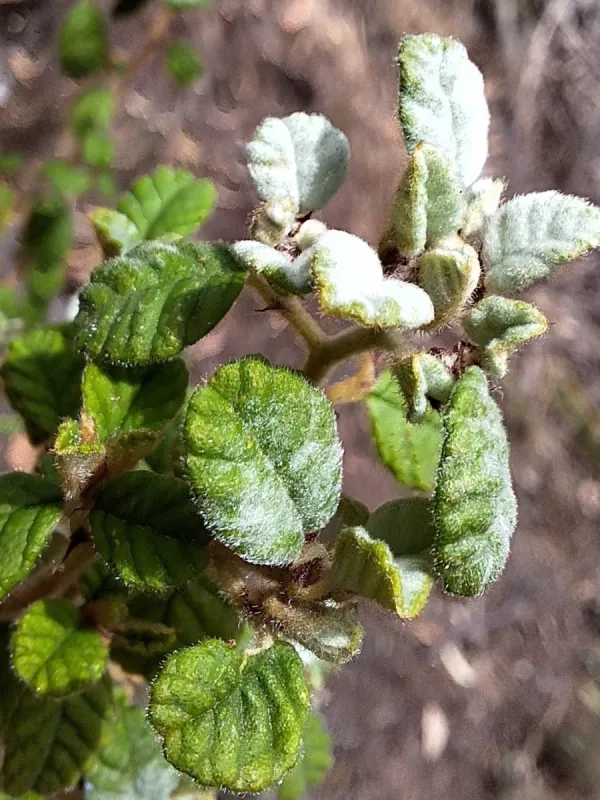
Description
Growing requirements
Spyridium parvifolium, commonly known as Dusty Miller, belongs to the Rhamnaceae family. This evergreen shrub is native to the cooler and temperate regions of Australia, specifically thriving in Tasmania and the southern mainland states.
The plant requires well-draining soil to thrive, as it is highly susceptible to root rot in waterlogged conditions. It prefers a slightly acidic to neutral soil pH. When cultivated, ensuring proper aeration of the root zone is the most important factor for success.
Climate-wise, this species prefers cool to temperate conditions with adequate air moisture. While it shows some tolerance to light frosts, it performs best in positions shielded from harsh, drying winds that can cause leaf burn or desiccation during the winter months.
Agronomic management involves moderate watering, especially during the establishment phase. Once mature, the plant displays a moderate degree of drought tolerance, although consistent moisture levels contribute to a denser, more attractive canopy for landscaping purposes.
The primary use of Spyridium parvifolium is in ornamental horticulture. Its unique foliage and small, white-bracted flower clusters make it a popular selection for native garden designs, low-maintenance hedging, and as a textured filler in mixed garden borders.
Main diseases and pests
The most significant threats to this species are soil-borne pathogens, particularly Phytophthora root rot. This usually occurs when plants are grown in heavy clay soils with poor drainage, which stresses the plant and facilitates infection.
Insect pests include aphids and spider mites, which can manifest during periods of heat stress or in poorly ventilated settings. Integrated pest management, focusing on proper spacing and balanced irrigation, is usually sufficient to maintain plant health.