
Spondylosium planum
Spondylosium planum
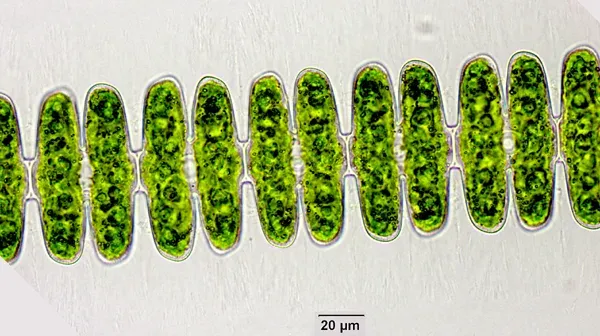
Description
Growing requirements
Spondylosium planum is not an agricultural crop in the traditional sense, but it is a vital organism in freshwater ecosystems. Classified within the family Desmidiaceae, this species is a representative of filamentous green algae that form characteristic colonies in aquatic environments.
The distribution of this species is primarily associated with oligotrophic and mesotrophic freshwater habitats, such as pristine lakes, ponds, and wetlands. It thrives in environments where water clarity allows for consistent photosynthesis throughout the photic zone.
From a botanical perspective, the colony consists of flattened cells joined by distinct isthmi. This structural organization allows the filament to maintain its integrity while remaining suspended in the water column, optimizing its exposure to light and nutrients.
Environmental requirements for this species include stable water temperatures and a lack of significant organic pollution. The optimal temperature range for the proliferation of this algae is typically between 15°C and 22°C, aligning with the seasonal productivity of many temperate zone wetlands.
While Spondylosium planum is not harvested for commercial crops, it holds substantial scientific value as an ecological indicator. Its presence is often used to assess the water quality and biological diversity of freshwater systems, marking them as ecologically sound areas.