
Spiraea rosthornii
Spiraea rosthornii
Description
Growing requirements
Spiraea rosthornii is a perennial deciduous shrub belonging to the Rosaceae family. This species is highly valued in horticulture for its elegant growth habit and the aesthetic appeal of its foliage and flowers throughout the growing season.
Originating from the mountainous regions of China, this plant is well-adapted to temperate climates. It performs best in locations that provide plenty of natural sunlight, although it can tolerate partial shade during the heat of the afternoon.
The ideal soil conditions for this cultivar include well-drained, nutrient-rich earth with a slightly acidic to neutral pH balance. Consistent soil moisture is important, but gardeners must avoid waterlogged conditions, which can lead to root system decay.
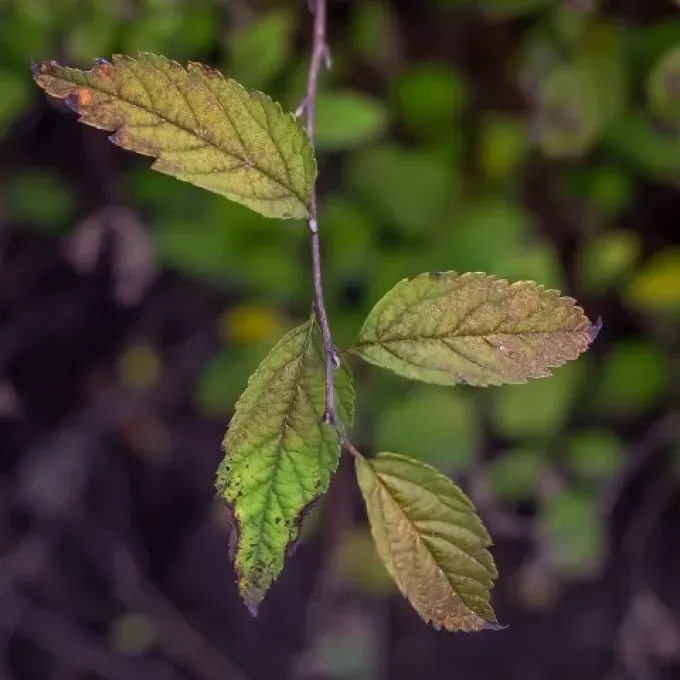
Botanically, Spiraea rosthornii is distinguished by its slender, arching stems and attractive foliage. The plant produces delicate clusters of flowers that serve as an excellent nectar source, making it a valuable addition to pollinator-friendly gardens.
In landscape design, this shrub is commonly used for hedge planting, border arrangements, and as a focal point in flower beds. Its low maintenance requirements and adaptability make it a reliable choice for both residential and urban landscaping projects.
Main diseases and pests
The primary pests affecting the vitality of this species include spider mites and aphids. These insects typically thrive in dry conditions and can cause significant damage to the leaf tissue if not managed early through integrated pest control strategies.
Fungal diseases, such as powdery mildew, may occur if the shrub is planted in areas with poor air circulation or excessive humidity. Maintaining proper spacing between plants and performing selective pruning help ensure healthy air movement through the foliage.