
Sphenoclea
Sphenoclea
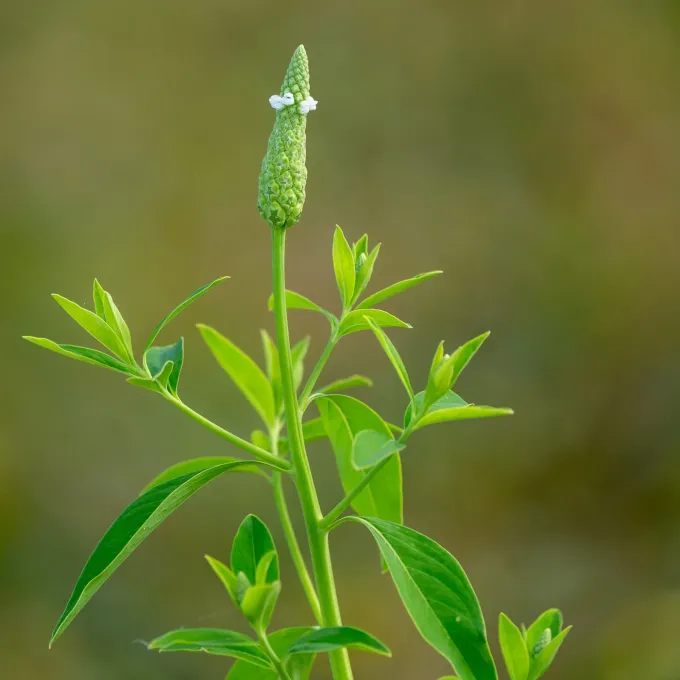
Description
Sowing dates
Sphenoclea (lat. Sphenoclea zeylanica) belongs to the Sphenocleaceae family. It is an annual herbaceous plant, most commonly found as a hydrophyte that prefers waterlogged soils or flooded fields.
In natural habitats, sowing or germination timing is closely linked to the onset of the rainy season or the flooding cycle of rice paddies. Seeds require high moisture levels to activate physiological processes.
In controlled cultivation, seeds are sown directly into a saturated substrate. The optimal temperature for germination ranges between 25–30 degrees Celsius.
The plant exhibits high growth vigor, rapidly occupying available space when sufficient moisture is present. In agronomy, it is crucial to note that the crop is highly light-demanding and does not tolerate shading by other species.
The period from emergence to the initiation of generative organs under favorable conditions lasts 4 to 6 weeks, allowing for rapid crop turnover.
Growing requirements
Sphenoclea is predominantly a tropical plant, originating from Asia and Africa, but it has spread across tropical zones worldwide.
The primary soil requirement is high water-holding capacity. The plant is perfectly adapted to growing in rice paddies, river silt banks, and wetlands.
The crop prefers fertile, nitrogen-rich silty soils with a neutral or slightly acidic pH. Waterlogging is not a stress factor for this plant, but a necessary condition for its development.
For normal growth, Sphenoclea requires a consistently high temperature regime and the absence of drastic fluctuations between night and day temperatures.
The plant has a strong ability to assimilate nutrients from the aquatic environment, making it highly competitive against other hydrophytes.
Yield
The economic use of Sphenoclea involves consuming its young leaves and shoots as a leafy vegetable, particularly in Southeast Asian countries.
Yield of green biomass depends directly on plant density and the level of water mineralization in the growing area.
In rice farming, it is often viewed as a weed; however, targeted cultivation can yield up to 5-10 tons of green biomass per hectare.
Regular harvesting of young shoots stimulates secondary tillering, which allows for an extended harvest period before the flowering stage begins.
Productivity declines when the plant enters the flowering phase, as nutrient accumulation shifts from vegetative organs to seed production.
Main diseases and pests
Sphenoclea is a hardy crop, but it is susceptible to certain fungal pathogens in conditions of stagnant air and excessive humidity.
Typical pests include lepidopteran larvae and some species of leaf-eating beetles, which can significantly damage the leaf blade.
In intensive agriculture, the main threat is competition from more aggressive aquatic weeds that can suppress seedlings during the early stages.
- Root rots due to poor drainage (rare for this species).
- Nematode infestation under monoculture conditions.
- Aphids congregating on young shoot tips.
Disease prevention involves maintaining optimal water levels and timely weeding between rows during the early vegetative cycle.
Harvesting
Harvesting is performed manually by cutting young, tender stems and leaves, as they possess the most delicate flavor and texture.
The optimal time for harvest is early morning, which helps maintain leaf turgor and improves shelf life during transport.
It is important to complete the harvest before mass budding occurs, as older leaves can develop a bitter taste and become fibrous.
Post-harvest, the produce requires immediate cooling or processing, as the high water content of the tissues promotes rapid wilting.
For seed production, the most robust plants are left to complete their full flowering cycle until the capsules containing tiny seeds are formed.