
Sphenocentrum jollyanum
Sphenocentrum jollyanum
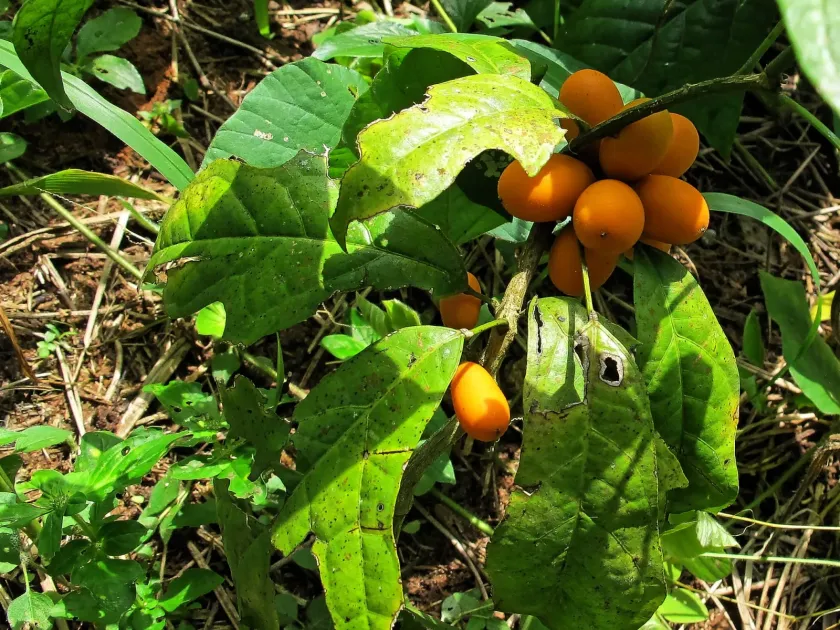
Description
Sowing dates
Propagation of Sphenocentrum jollyanum occurs primarily through seeds. In cultivation, it is crucial to sow seeds immediately after harvest, as they rapidly lose viability upon drying.
To accelerate germination, scarification of the seed coat is recommended. The optimal temperature for successful germination is between 25 and 28 degrees Celsius.
Seedlings typically emerge four to six weeks after planting. Once two sets of true leaves appear, the young plants should be transplanted into individual containers.
Field planting should be timed to coincide with the start of the rainy season to ensure proper root establishment and acclimatization to the environment.
Maintaining adequate spacing between plants is essential to prevent overcrowding, as the shrub has a spreading habit and requires sufficient light penetration.
Growing requirements
Sphenocentrum jollyanum, a member of the Menispermaceae family, is a typical understory plant found in the moist tropical forests of West Africa.
This crop requires high humidity levels, consistently maintained above 70 percent, to thrive and maintain optimal physiological functions.
The plant prefers loose, humus-rich loamy soils with excellent drainage, as waterlogged conditions can lead to severe root rot and plant death.
Lighting should be diffused, as direct, harsh sunlight can scorch the leaves of young plants, negatively impacting their overall growth and productivity.
Protection from strong, drying winds is a critical requirement, as the shrub's stems and leaves are relatively fragile and prone to mechanical damage.
Yield
The economic value of this crop is derived primarily from its fruits and roots, both of which possess significant biological and medicinal properties.
Yield varies based on the age of the plant and the quality of agricultural care provided; cultivated plantations generally outperform wild-harvested stands.
Fruits are harvested as they ripen, signaled by a change to a vibrant yellow-orange color and the development of their characteristic bitter-sweet flavor.
Roots are harvested from plants at least three to five years old to ensure a sustainable supply and high concentration of active phytochemical compounds.
Systematic application of organic amendments can significantly enhance both the quantity of the harvest and the pharmaceutical quality of the raw material.
Main diseases and pests
Sphenocentrum jollyanum displays a natural resistance to several pests, largely due to the high concentration of alkaloids present within its tissues.
However, under conditions of excessive moisture, the plant is susceptible to various fungal pathogens, including powdery mildew and root rot complexes.
Insect pests such as leaf-eating caterpillars and spider mites during dry spells represent the most significant threats to plant health and yield.
To mitigate these risks, regular sanitation, including the pruning of damaged shoots and thinning of dense areas, is strongly recommended.
Chemical control must be applied sparingly, given the medicinal nature of the product, with a clear preference for biological control methods.
Harvesting
Harvesting the fruits requires careful handling, as they have a soft texture and are highly perishable, complicating storage and transportation logistics.
Harvesting is best performed in the early morning hours to keep the produce cool, which helps extend its shelf life after being collected.
Once picked, fruits are sorted and cleaned before being processed immediately or dried in shaded, well-ventilated areas to preserve their compounds.
Roots are extracted from the soil with care to minimize damage to the primary root system, allowing for continued plant growth after partial harvesting.
After extraction, roots must be washed thoroughly to remove soil, cut into segments, and dried to a specific moisture content to prevent spoilage.