
Sphagneticola trilobata
Sphagneticola trilobata
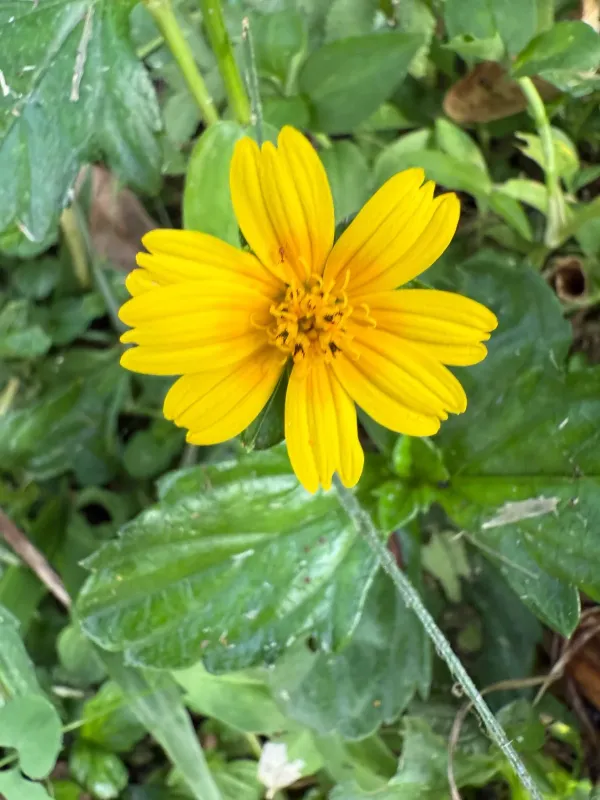
Description
Growing requirements
Sphagneticola trilobata, commonly known as creeping daisy, is a fast-growing herbaceous perennial plant belonging to the Asteraceae family. It is native to tropical regions of the Americas.
The plant is highly adaptable to various soil types, thriving in fertile loams as well as disturbed soils. It prefers consistently moist, well-draining conditions for optimal growth.
Being a sun-loving species, it requires full sun exposure to produce its characteristic bright yellow flowers. In shaded areas, the plant tends to become leggy and loses its density.
It flourishes in warm climates with temperatures between 20°C and 30°C. It lacks cold tolerance and should be treated as a tender perennial in regions prone to frost.
Cultivation practices involve frequent pruning to keep the plant within boundaries, as its rapid spreading habit can easily overrun flower beds and natural landscapes.
Main diseases and pests
Due to its aggressive growth, this plant is considered a significant invasive species in many tropical regions, requiring strict management to prevent uncontrolled spread.
Common fungal diseases include powdery mildew and leaf spot. These issues are often exacerbated by poor air circulation and high humidity levels during the rainy season.
Pest issues frequently involve aphids, whiteflies, and spider mites. These pests suck sap from the foliage, leading to yellowing and premature death of the plant parts.
Integrated pest management is recommended, utilizing pruning to remove infested branches and applying horticultural oils or soaps as a primary treatment.
Preventative measures include regular thinning of the plant mass to ensure adequate light penetration and airflow, which significantly reduces the risk of pest outbreaks.