
Spananthe
Spananthe paniculata Jacq.
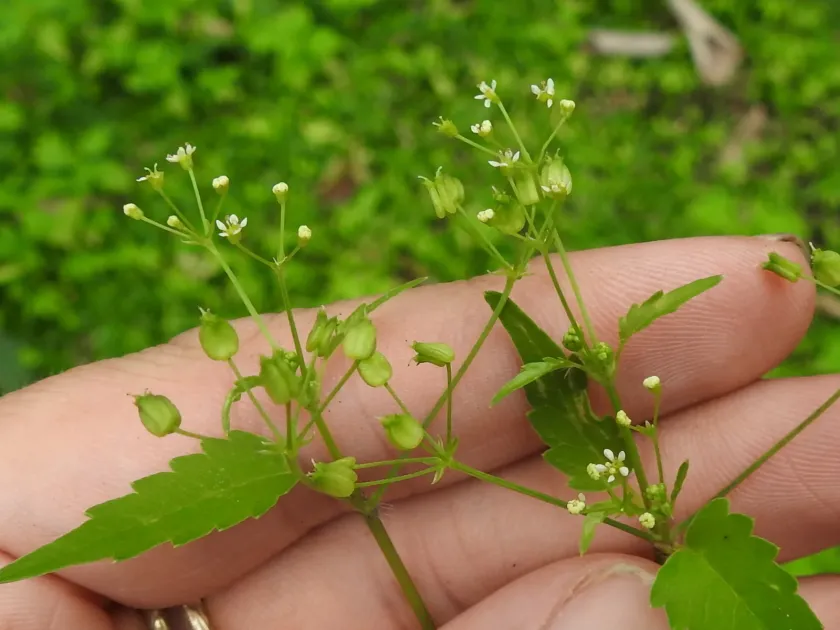
Description
Growing requirements
Spananthe paniculata is an annual herb belonging to the Apiaceae (celery or carrot) family. Native to Central and South America, this plant is well-adapted to humid tropical environments where it grows as part of the diverse local flora.
The crop thrives in fertile, well-drained soils that retain moisture without becoming waterlogged. High humidity levels and consistent, moderate temperatures are essential for the plant to complete its life cycle effectively, reflecting its tropical origin.
From a botanical standpoint, the plant is recognized by its paniculate inflorescences, which distinguish it from other related genera in the family. The growth habit is typically erect with branching stems, and the leaves are serrated, providing a lush appearance under optimal conditions.
In terms of agricultural management, light exposure should be managed carefully. While it requires light for photosynthesis, providing partial shade during peak tropical sun helps prevent leaf chlorosis and preserves the vitality of the foliage.
The economic value of Spananthe paniculata is primarily centered on its potential for pharmacological research. It contains secondary metabolites that are of interest to ethnobotanists and medicinal plant researchers, though it is not widely grown as a staple commodity crop.
Main diseases and pests
The primary threats to Spananthe paniculata involve fungal pathogens that thrive in high-humidity habitats. Conditions such as powdery mildew and leaf spot diseases can significantly reduce yield if not managed with proper spacing and airflow.
Pest pressures mainly consist of sap-sucking insects like aphids and mites. Maintaining healthy plant vigor through balanced fertilization and sanitation remains the most effective strategy for mitigating these threats in field or greenhouse conditions.