
Southbya nigrella
Southbya nigrella
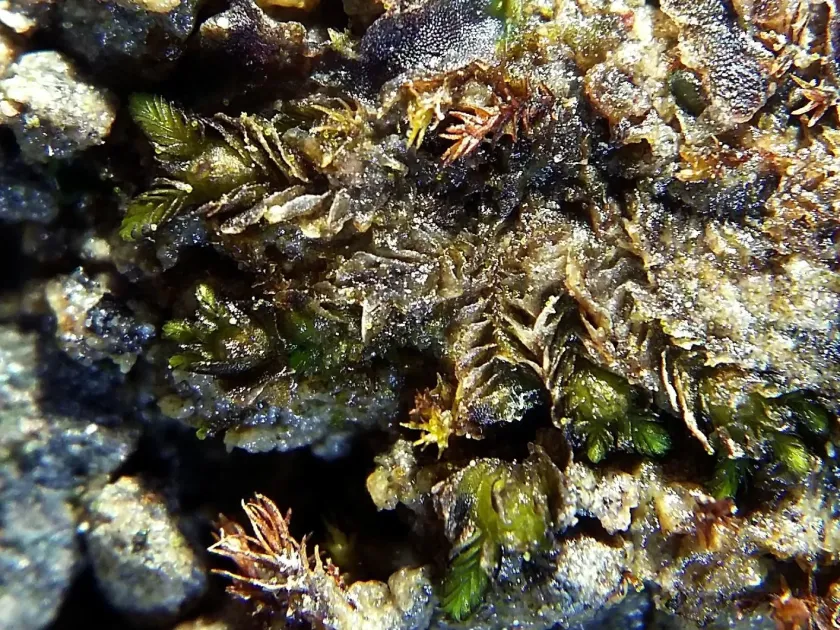
Description
Growing requirements
Southbya nigrella is a notable species of liverwort belonging to the Jungermanniaceae family. This bryophyte is primarily recognized for its small size and its dark, almost black pigmentation, which is a characteristic adaptation to its specific environmental niche.
The distribution of this species is largely centered in Mediterranean-type climates. It thrives on moist calcareous rock surfaces, where the pH levels and mineral composition are suitable for its specialized rhizoid system to anchor and extract necessary nutrients.
From a botanical standpoint, Southbya nigrella exhibits high sensitivity to environmental fluctuations. It typically occupies micro-habitats that provide constant shade and high levels of atmospheric humidity, protecting the plant from desiccation during the hotter months of the year.
The cultural requirements for studying or preserving this species involve maintaining a stable environment that mimics its natural limestone habitat. Proper aeration, combined with high humidity levels and a lack of direct, harsh solar radiation, is essential for the healthy growth of its vegetative structures.
While not a traditional agricultural crop, Southbya nigrella is significant in the study of bryology and plant geography. Its presence serves as a biological indicator of healthy, undisturbed limestone-based ecosystems, highlighting the importance of micro-habitat conservation.