
Zahlbruckner's whitebeam
Sorbus zahlbruckneri
Description
Growing requirements
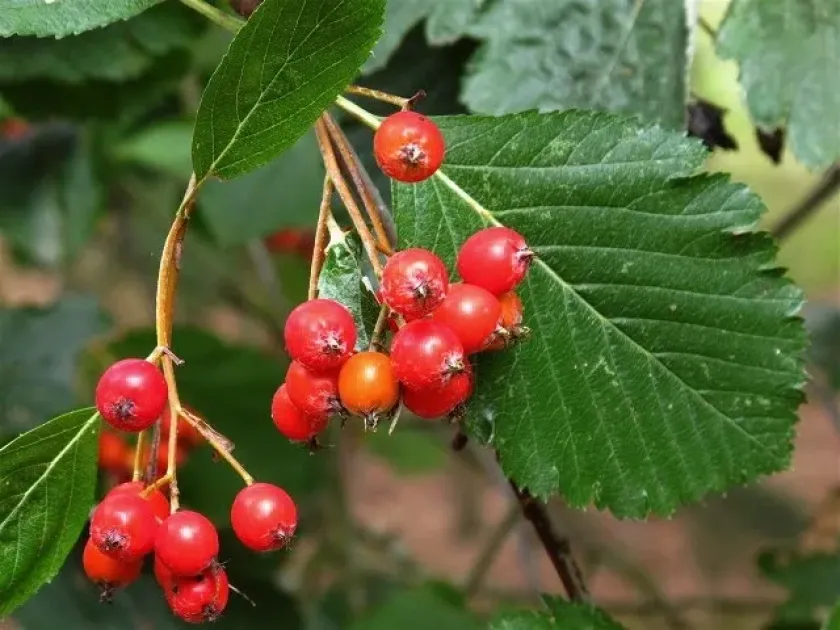
Zahlbruckner's whitebeam (Sorbus zahlbruckneri) is a distinct species within the Rosaceae family. Botanically, it is classified within the Aria subgenus, often recognized by its characteristic foliage and specific fruit morphology, typical for many whitebeam representatives.
The species originates from the mountainous regions of China, where it adapted to specific microclimates. In agricultural and horticultural settings, it thrives best in well-drained, fertile soil, showing a preference for slightly acidic to neutral pH levels while being intolerant to waterlogged or heavy compacted soils.
Regarding climatic requirements, this tree exhibits significant cold tolerance, making it suitable for temperate regions. It requires full sun exposure for optimal photosynthesis and fruit development, although young specimens may benefit from light shading during the peak of summer heat.
General maintenance involves annual pruning to ensure proper structural development of the canopy and removal of dead or crossing branches. Applying mulch around the base helps retain soil moisture and suppresses weed competition during the active growth phase.
The tree serves primarily as an ornamental plant in landscape design due to its unique appearance and seasonal changes. Its ecological value and hardiness make it a valuable asset for diverse botanical projects and ornamental tree collections in temperate climate zones.
Main diseases and pests
Common health challenges include susceptibility to fungal pathogens like powdery mildew and fire blight, which can severely impact foliage and branches if the air circulation is inadequate.
Pests such as aphids, mites, and specific lepidopteran larvae may infest the tree, necessitating regular monitoring. Implementing preventive measures such as ensuring proper space between plants and maintaining tree vigor is essential to mitigate the risk of severe infestations.