
Turkestan mountain ash
Sorbus turkestanica
Description
Growing requirements
The Turkestan mountain ash (Sorbus turkestanica) is a deciduous shrub or small tree belonging to the Rosaceae family. It is native to the mountainous regions of Central Asia, specifically the Tian Shan and Pamir-Alay ranges.
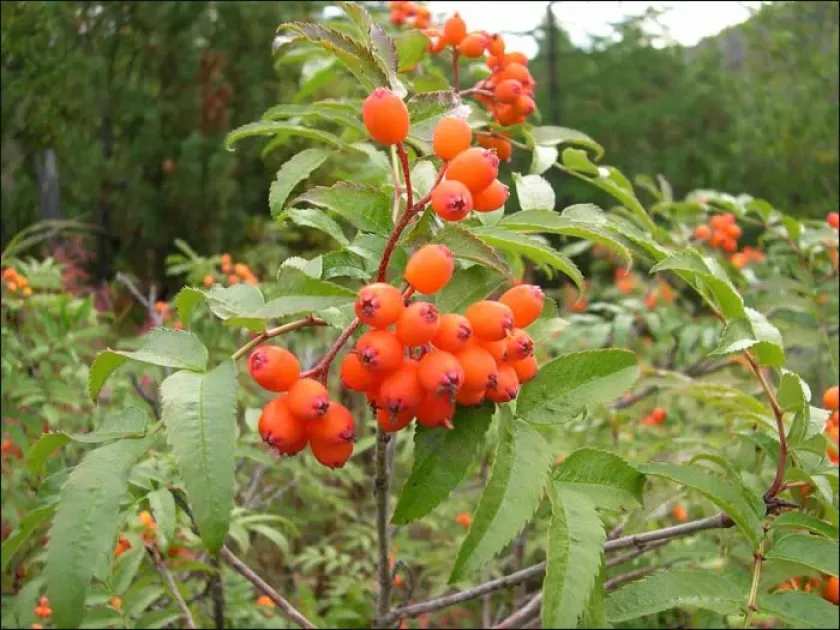
This species is well-adapted to high-altitude environments, thriving in rocky soils and slopes. It is characterized by its distinctive white or pale-colored fruits, which set it apart from other common mountain ash species.
When cultivated, this plant requires a sunny location and well-drained soil to thrive. It is highly resistant to drought and can survive in a variety of challenging soil conditions, though it performs best in neutral to slightly acidic substrates.
Proper agronomic care involves moderate initial watering until the root system is fully established. Once mature, the tree is incredibly hardy and requires minimal maintenance in terms of additional irrigation.
Due to its high ornamental value, it is widely used in landscape design and public gardens. It is also an important genetic resource for breeding programs aiming to develop hardier and more visually unique tree varieties.
Main diseases and pests
Like many species in the Rosaceae family, the Turkestan mountain ash can be susceptible to powdery mildew, especially in regions with high humidity. Ensuring good air circulation around the crown helps prevent this.
Pests such as aphids and leaf-eating beetles may occasionally target new growth. Integrated pest management, including the use of neem oil or soft soap sprays, is typically sufficient to control minor infestations.
Root rot is a significant risk in poorly drained sites. It is essential to choose planting locations where water does not pool, particularly during the dormant season to protect the root crown.
Regular sanitation, such as removing dead or damaged branches, is crucial for maintaining plant health. This practice significantly reduces the likelihood of secondary infections from opportunistic fungi.
Monitoring the bark for boreholes is recommended, especially in older specimens, to ensure the plant remains free from wood-boring insects that can structurally weaken the tree over time.