
Socotrella dolichocnema
Socotrella dolichocnema
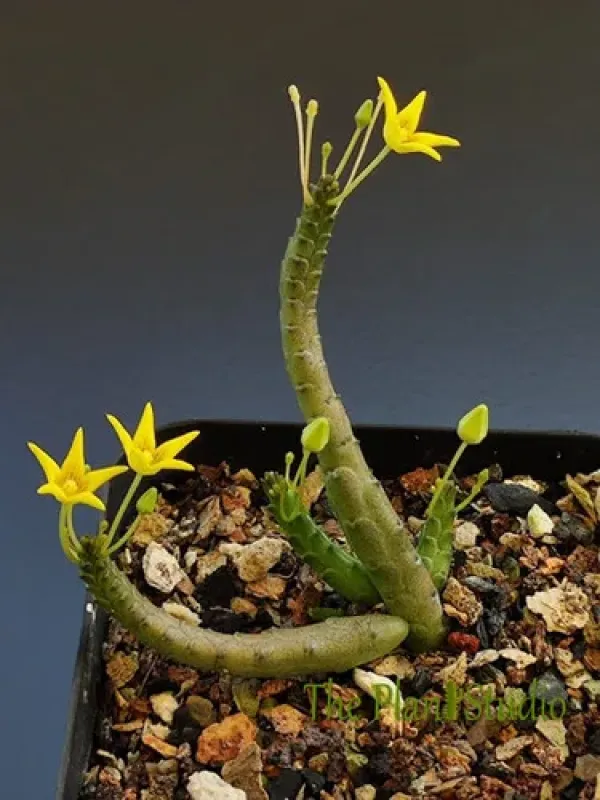
Description
Growing requirements
Socotrella dolichocnema is a highly specialized succulent belonging to the Apocynaceae family. Native to the island of Socotra, it has evolved to thrive in harsh, rocky environments.
The cultivation of this plant requires a highly porous soil mix. Standard peat-based substrates are unsuitable; a mineral-rich mix containing lava rock, pumice, and coarse sand is highly recommended for proper drainage.
As a light-demanding species, it needs strong exposure to thrive. Insufficient light leads to etiolation, which weakens the stem structure and alters the plant's natural morphology.
The plant prefers warm temperatures during its growth phase. It is essential to avoid thermal shock, keeping the plant in a stable environment between 22 and 28 degrees Celsius during the active season.
Water management is the most critical aspect of its care. The species should be watered sparingly, allowing the substrate to dry out completely between applications to prevent rot.
Main diseases and pests
The primary threats to Socotrella dolichocnema include root and stem rot caused by waterlogged soil and poor aeration in the growth medium.
Mealybugs are the most common insect pests, often hiding in the crevices of the stem, which can lead to localized tissue necrosis if left untreated.
Spider mites can also cause significant damage in environments with low humidity and high temperatures, leading to scarring on the succulent epidermis.
Prevention relies on strict horticultural hygiene, including the use of sterilized tools and ensuring adequate airflow around the plant at all times.
Chemical control should be limited to the use of targeted systemic pesticides, carefully applied to prevent phytotoxicity on the sensitive succulent tissue.