
Smyrniopsis syriaca
Smyrniopsis syriaca
Description
Sowing dates
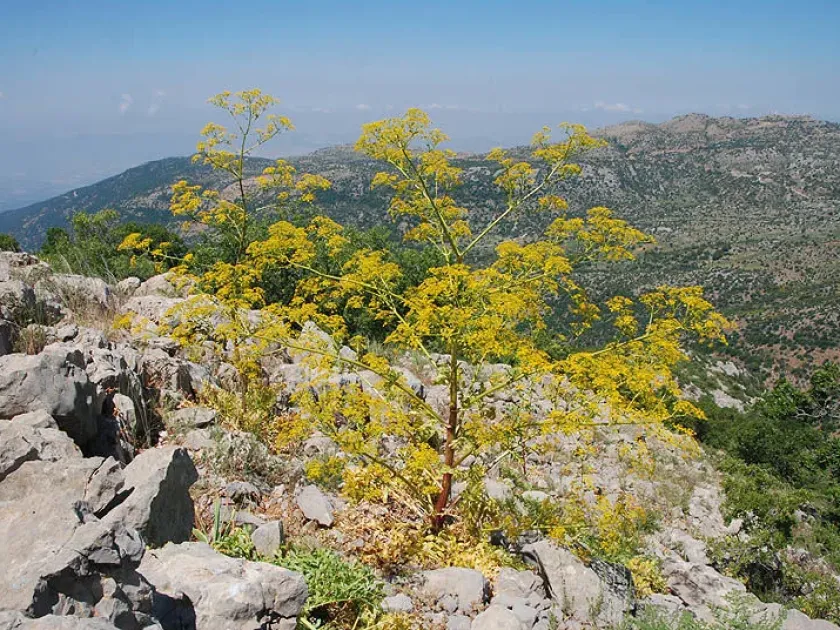
Smyrniopsis syriaca is a rare herbaceous perennial belonging to the Apiaceae (parsley) family. Its natural habitat includes rocky mountain slopes and arid regions of the Middle East, primarily in Syria and surrounding areas.
Propagation is typically achieved through seeds, which often require cold stratification to break dormancy. Sowing should be carried out in early spring or late autumn in well-prepared, loose soil to facilitate proper root establishment.
Seed depth is critical for this species; burying seeds too deeply can lead to poor emergence. A depth of 1–2 cm is generally considered optimal, ensuring that the seedlings have sufficient energy to reach the soil surface while maintaining moisture contact.
Spacing is vital for the health of the plants. Wide row spacing allows for better air circulation and sunlight penetration, which helps in reducing the humidity levels around the foliage, thus preventing fungal outbreaks.
Cultivation sites should be carefully chosen, preferably areas with full sun exposure. The plant's slow initial growth phase requires that the seedbed be kept weed-free during the first few months to prevent competition for resources.
Growing requirements
The plant thrives in well-drained, sandy or loamy soils with a neutral to slightly alkaline pH. Heavy clay soils that retain excessive moisture are unsuitable and often lead to root decay, which is the primary cause of plant loss in non-native environments.
Although the species is drought-tolerant once established, consistent moisture is necessary during the germination and seedling stages. Once the deep taproot has developed, the plant becomes highly resilient to dry conditions.
Temperature requirements are moderate, with the plant performing best in the 15–25°C range. It exhibits significant hardiness to cool temperatures but may require protection against extreme frosts in regions with very harsh winters.
Fertilization should be handled with caution. The plant does not require high levels of nutrients; organic compost or low-dose balanced mineral fertilizers are sufficient to support vegetative growth without causing excessive, weak stems.
Soil aeration is essential for the healthy development of the taproot. Regular mechanical cultivation between rows helps improve oxygen levels in the root zone, which is crucial for metabolic processes in the plant.
Main diseases and pests
Root rot is the most significant threat to Smyrniopsis syriaca, particularly when grown in poor-draining soil. Careful irrigation management and the use of preventative fungicides can significantly reduce the incidence of these pathogens.
Pests such as aphids and specialized umbellifer-feeding insects can attack the foliage and flowers. Integrated pest management strategies, focusing on biological controls and regular monitoring, are recommended to maintain healthy crops.
Competition from fast-growing weeds can easily overwhelm young plants. Using inorganic or organic mulch helps suppress weeds while maintaining the soil structure around the delicate root system.
Excessive rainfall during the harvest stage can degrade the quality of the roots and seeds. If heavy rains are expected, ensuring proper drainage and monitoring for signs of mildew or blight is imperative for crop security.
Crop rotation is a standard agronomic practice to prevent the buildup of soil-borne pathogens. Planting in the same location year after year is discouraged; a rotation interval of at least three to four years is recommended.
Harvesting
Harvesting of Smyrniopsis syriaca typically targets the roots or seeds, depending on the intended use. Roots are generally harvested in the second or third year of growth, when they have achieved maximum density and phytochemical concentration.
The best time for root extraction is late autumn, after the foliage has naturally started to senesce. This timing ensures that the plant has stored maximum energy reserves within its root system, enhancing its overall quality for pharmaceutical use.
Mechanical harvesting must be done carefully to avoid damaging the taproot. Manual digging or the use of specialized root-lifting equipment is preferred to maintain the integrity of the harvested material.
Once harvested, roots should be washed thoroughly to remove debris and then dried in a cool, well-ventilated area. Rapid drying at high temperatures can cause the loss of volatile oils, which are critical components of the plant's medicinal value.
Seed harvest is performed by collecting the umbels when they turn brown and begin to dry out. Immediate cleaning and storage in moisture-proof containers are necessary to maintain seed viability for future planting seasons.