
Sinomenium acutum
Sinomenium acutum
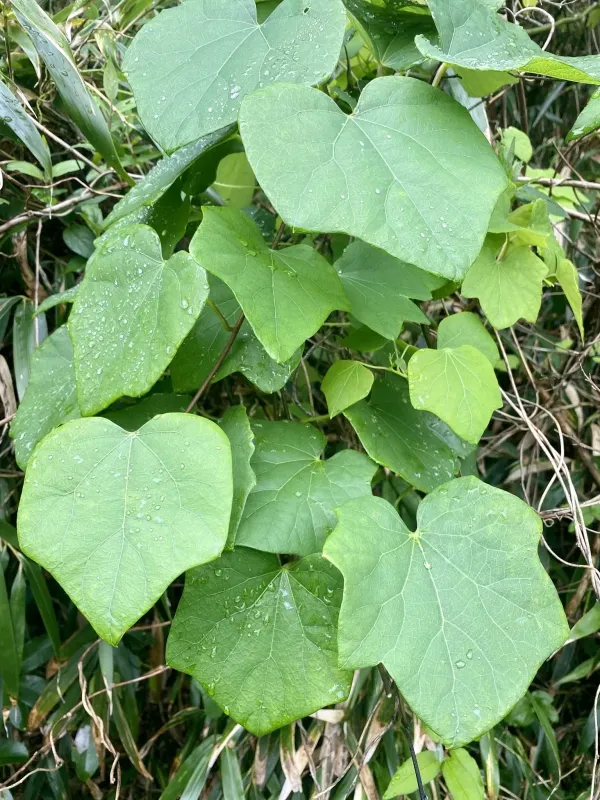
Description
Sowing dates
Propagation of Sinomenium acutum is primarily achieved through seeds or stem cuttings. Seeds require a period of cold stratification to break dormancy, making autumn sowing the preferred method for optimal germination rates.
When starting indoors, seeds are sown in early spring in well-draining, nutrient-rich potting media. Consistent moisture and moderate temperatures are essential during the initial germination phase.
Stem cuttings should be taken in early summer using semi-hardwood growth. Placing the cuttings in a humid, shaded propagating environment significantly increases the success of root development.
Transplanting to the permanent site should occur in late spring once the danger of frost has passed, ensuring the soil is well-prepared and free of competing weeds.
Proper plant spacing is critical as the vine requires significant surface area for its climbing habit, necessitating the installation of sturdy trellises before the plants grow too large.
Growing requirements
Sinomenium acutum is native to the temperate and subtropical regions of East Asia. It thrives in humid climates and requires sites protected from strong, desiccating winter winds.
The ideal soil is fertile, loamy, and slightly acidic, with excellent drainage to prevent root rot. Heavy clay soils should be amended with organic matter such as compost or bark to improve aeration.
While the vine is tolerant of partial shade, it requires filtered light to achieve healthy growth and maximize the production of its unique, medically significant alkaloids.
Watering is crucial during the plant's establishment phase and throughout dry summer periods. Mulching around the base helps retain soil moisture and prevents root zone overheating.
As a member of the Menispermaceae family, it demands adequate nutritional support, especially during the active growing season, to develop its signature thick, woody stems.
Yield
The yield of Sinomenium acutum is measured by the biomass of the harvested stems. Mature plants, typically four to six years old, provide the best quality and volume of raw material.
Strategic pruning is essential to maintain high yields. Removing older, less productive stems stimulates vigorous new growth, which contains higher levels of the desired medicinal compounds.
Standardized plantation management involves systematic row spacing to ensure adequate airflow and accessibility for agricultural machinery and manual labor during the harvest period.
Fertilization with balanced nutrients during the spring promotes rapid vegetative expansion. Proper management of plant density prevents excessive competition for light and nutrients.
Producers aim for sustainable harvesting, ensuring that the plant remains healthy and productive for many seasons, thus providing a consistent supply for the pharmaceutical market.
Main diseases and pests
Root rot is the most common threat, usually caused by waterlogged soil conditions. Ensuring proper drainage is the primary defense against this destructive condition.
Aphids and spider mites are typical pests that infest the tender foliage during the summer. Early detection and targeted treatment can prevent these insects from causing significant stress.
Sanitation practices, such as clearing fallen debris and keeping the growing area clean, significantly reduce the incidence of fungal pathogens and pest harborages.
Integrated Pest Management (IPM) techniques, including the use of beneficial insects and biological controls, are preferred over broad-spectrum pesticides to maintain the purity of the medicinal product.
Regular monitoring of the foliage and stems allows farmers to identify potential health issues early, preventing the spread of diseases within the plantation.
Harvesting
The harvesting of stems is performed in the autumn when the plant begins its dormancy. At this stage, the concentration of active chemical constituents is at its peak.
Stems are cut into manageable lengths, stripped of leaves, and cleaned of impurities before being processed for drying in controlled industrial environments.
Controlled drying is vital to preserve the stability of the alkaloids. Temperatures should be regulated to prevent degradation while ensuring the moisture content is reduced to storage-safe levels.
After processing, the material is categorized based on its alkaloid concentration and physical quality, which dictates its value in the global herbal trade.
Proper storage in cool, dry, and dark conditions is essential for maintaining the integrity and pharmacological efficacy of the harvested stems for years to come.