
Simira salvadorensis
Simira salvadorensis
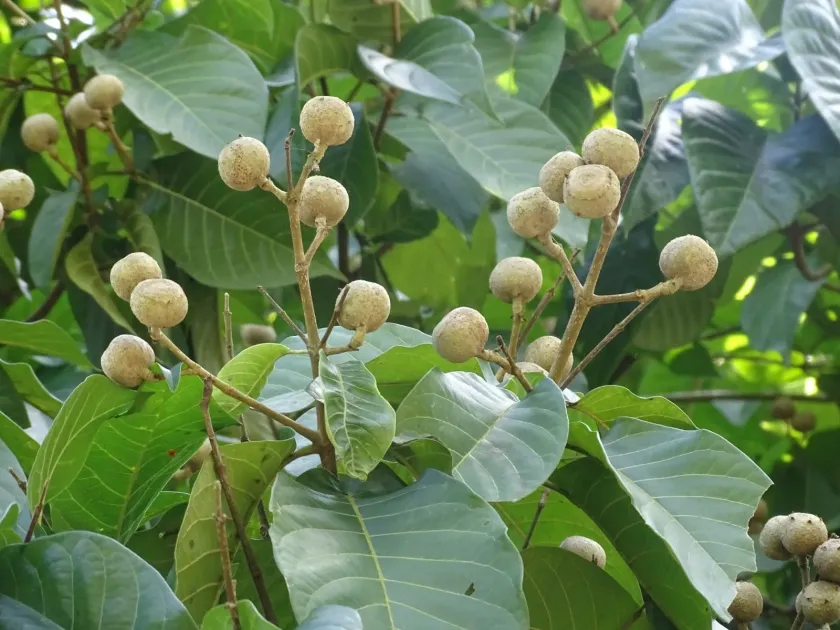
Description
Growing requirements
Simira salvadorensis is a tropical tree species belonging to the Rubiaceae family, widely recognized for its ecological importance in Central American forests. This plant naturally thrives in the humid climates of countries such as El Salvador, Honduras, and Nicaragua.
The climate requirements for this species are centered on constant warmth and high humidity levels typical of tropical rainforest environments. It is not adapted to cold climates or extended periods of frost, which restricts its cultivation range to tropical and subtropical zones.
Regarding soil, Simira salvadorensis requires well-drained, nutrient-rich substrates that allow for deep root penetration. It is particularly sensitive to waterlogged conditions, which can lead to root rot; therefore, selecting locations with adequate slope or soil porosity is essential for healthy growth.
Agricultural management includes monitoring light exposure during the early stages of development. While mature trees are quite resilient, juvenile plants benefit from canopy shade or supplemental protection to ensure efficient establishment before full exposure to sunlight.
The wood of this species is valued in local timber markets for its durability and structural utility. Beyond forestry, the plant is noted for its biochemical complexity, with research interest focused on the secondary metabolites found within its bark and foliage for potential medicinal applications.