
Simethis planifolia
Simethis planifolia
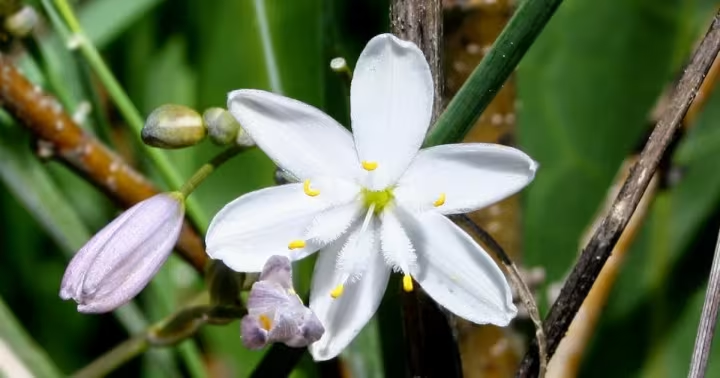
Description
Sowing dates
Simethis planifolia, commonly known as the Kerry lily, is a rhizomatous perennial member of the Asphodelaceae family. It is typically propagated by seeds, which require a period of cold stratification to break dormancy and ensure consistent germination during the growing season.
The optimal time for sowing is autumn, allowing seeds to experience fluctuating temperatures throughout the winter months. This mimics their natural environmental cycle, facilitating a more vigorous and uniform emergence of seedlings in the following spring.
When sowing in containers, use a gritty, well-draining substrate to prevent moisture buildup. The seeds should be sown thinly and covered with a light layer of sand or vermiculite, ensuring they are exposed to sufficient ambient light for successful development.
Division of mature clumps is an alternative propagation method, ideally performed in early spring as new growth begins to emerge. This practice helps to revitalize older plants and expand a collection while maintaining the genetic characteristics of the parent stock.
Young plants require careful attention to irrigation; the soil should remain moist but not waterlogged. As the plants mature, they develop fleshy roots capable of storing water, which gradually increases their resilience to environmental stress.
Growing requirements
This species thrives in sunny, open positions, mirroring its native habitats on heaths and sandy coastlines. It prefers acidic to neutral, sandy, and nutrient-poor soils, which are critical for the long-term health and stability of the root system.
Simethis planifolia is moderately hardy, preferring climates with mild winters. In regions prone to severe frost, it is advisable to provide winter protection with mulch or a protective cover to prevent damage to the rhizomes and dormant buds.
Watering should be managed with caution. While the Kerry lily appreciates consistent moisture during the spring growth phase, it dislikes "wet feet" and can suffer from root rot in poorly draining or heavily compacted clay-based soils.
Fertilization should be kept to a minimum, as excessive nutrients can result in weak, floppy growth rather than sturdy, floriferous stems. A top-dressing of organic matter or a light application of a balanced fertilizer in spring is usually sufficient.
Maintaining a weed-free environment is essential for the success of Simethis planifolia. Because it competes poorly with aggressive grasses and broadleaf weeds, regular maintenance and clearing of the surrounding area are necessary for optimal development.
Main diseases and pests
The most significant threat to the Kerry lily is the development of fungal infections, particularly those affecting the roots and rhizomes. These issues are almost exclusively linked to poor drainage or excessive soil moisture during cool weather.
Slugs and snails are the primary pests that damage the foliage, especially in moist spring conditions. Integrated pest management, such as using physical barriers or organic bait, is recommended to protect the integrity of the leaves during the peak growing season.
Root rot, if detected early, may be addressed by improving drainage and reducing water frequency. However, if the rhizome becomes severely compromised by decay, the entire affected plant should be removed to prevent the spread of the pathogen to healthy neighbors.
Poor soil aeration can lead to general decline and susceptibility to secondary infections. Regular cultivation of the soil surface, if performed carefully around the root zone, can improve oxygen availability and decrease the risk of anaerobic conditions.
Sanitation practices, including the removal of dead or dying foliage, reduce the habitat for pests and potential disease vectors. Tools used for dividing or pruning plants should be disinfected between tasks to ensure bio-security within the garden area.