
Silvianthus bracteatus
Silvianthus bracteatus
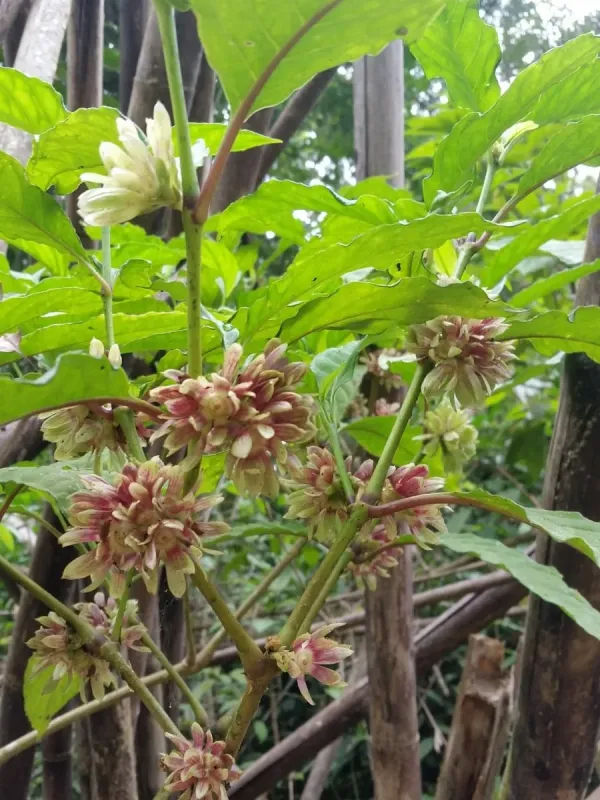
Description
Growing requirements
Silvianthus bracteatus is a member of the Alseuosmiaceae family, native to the tropical forest understories of Southeast Asia. It represents a highly specialized botanical group adapted to low-light, high-humidity environments.
To cultivate this species successfully, one must replicate its natural forest floor conditions. This involves providing consistent shade and shielding the plants from direct sunlight, which causes rapid leaf tissue degradation.
The soil profile must be rich in organic matter and possess excellent drainage characteristics. While the plant requires constant moisture, waterlogging in the root zone can prove fatal to the crop.
Temperature control is essential; the species thrives within a narrow tropical range. Any significant fluctuation, especially cooling below 15 degrees Celsius, can trigger dormant or stress phases.
Agronomic practices focus on maintaining optimal ambient humidity levels, often through automated misting systems, and avoiding heavy, compacted soil types that hinder root respiration.
Yield
At present, Silvianthus bracteatus is not cultivated as a mass-market agricultural crop. Its value is predominantly concentrated within scientific research and botanical conservation efforts.
Agricultural use focuses on extracting unique chemical metabolites that have shown potential in pharmaceutical studies. The yield is measured by the biomass quality rather than volume.
Production cycles are slow and require precise monitoring of the vegetative growth stages to maximize the concentration of beneficial compounds in the foliage.
Propagation is primarily vegetative, as obtaining viable seeds requires strict environmental synchronization that is difficult to achieve outside of its native habitat.
Development of future high-yield protocols will likely depend on advances in hydroponic cultivation under controlled, automated greenhouse settings.
Main diseases and pests
Root rot pathogens, such as Pythium and Phytophthora species, are the primary threats to Silvianthus bracteatus. These typically develop due to poor drainage and contaminated irrigation water.
Pests such as spider mites and mealybugs present persistent risks, particularly in warm, low-humidity indoor environments where the plant's natural defenses are compromised.
The cultural strategy against these threats relies on integrated pest management (IPM), utilizing biological controls rather than harsh chemical pesticides.
Regular sanitation of tools and growing surfaces is mandatory to prevent the introduction of pathogens that could lead to mass crop loss.
Monitoring for signs of nutrient deficiencies is also vital, as weakened plants become significantly more susceptible to opportunistic infections.