
Silene reinwardtii
Silene reinwardtii
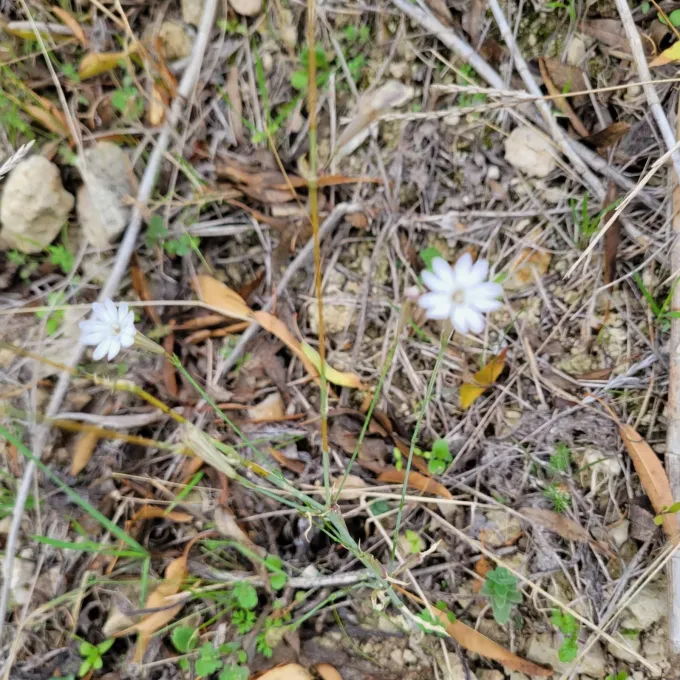
Description
Sowing dates
Silene reinwardtii is a herbaceous plant species belonging to the Caryophyllaceae family. As an agricultural interest, it requires careful planning regarding the sowing timing to ensure optimal establishment of the crop in the field.
Sowing should take place once the soil temperature consistently reaches favorable levels in mid-spring. Proper seedbed preparation is essential to provide a loose, weed-free environment that promotes rapid and uniform germination of the seedlings.
The seeds are relatively small and must not be planted too deep. A depth of 1 to 2 centimeters is generally recommended to allow the emerging cotyledons to reach the surface while maintaining access to soil moisture.
Row spacing should be calibrated based on the intended use of the crop. Utilizing mechanical drills ensures precise distribution of seeds, which minimizes the need for manual thinning and improves the overall crop stand density.
Post-sowing soil compaction is a beneficial practice that helps improve the capillary movement of water to the seed zone. This is particularly important in regions with erratic rainfall patterns during the early spring growth period.
Growing requirements
This crop thrives in well-drained, moderately fertile soils. It is sensitive to waterlogging, as excessive soil moisture can easily lead to the development of root pathogens and eventual decline of the plant population.
Sunlight exposure is a critical factor for Silene reinwardtii. It is a heliophilic species that requires open areas with minimal shading to reach its full vegetative potential and produce a high-quality harvest.
The plant performs best in a pH range of 6.5 to 7.5. Before planting, a soil analysis is recommended to determine nutrient availability and the need for amendments like lime, which can help adjust the soil profile to suit the plant's needs.
While the plant is relatively hardy, it benefits from consistent moisture levels during the early development stages. Once the root system is established, the crop demonstrates improved resilience to short-term dry spells.
Nutrient management should focus on a balanced application of NPK fertilizers. Nitrogen is particularly important for leaf development, while potassium strengthens the stems and increases overall plant stress tolerance.
Main diseases and pests
The primary threats to the crop include fungal pathogens that exploit high humidity and poor air circulation. Powdery mildew is a common concern, often manifesting as a white coating on leaves and reducing photosynthetic efficiency.
Aphids are the most frequent insect pests, clustering on the undersides of leaves and at the growing tips. Their feeding habits cause chlorosis and stunt the growth of young plants, requiring integrated pest management strategies.
Weed competition can be severe during the first weeks of growth. Because the crop grows relatively slowly initially, timely mechanical weeding or row cultivation is necessary to maintain the dominance of the target plants.
Root-knot nematodes can pose a significant challenge if the soil is not monitored. Practicing a diverse crop rotation cycle is the most effective biological method to break the life cycles of soil-borne pests and pathogens.
Field scouting should be a routine practice throughout the season. Early detection of leaf spots or pest outbreaks allows for the implementation of localized control measures, which prevents widespread damage across the entire field.