
Woodland catchfly
Silene nemoralis
Description
Growing requirements
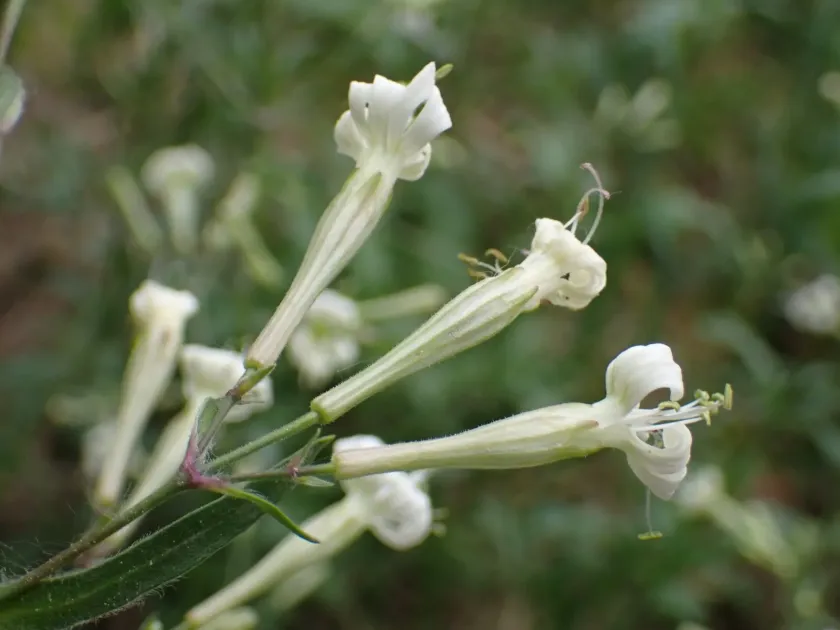
Woodland catchfly (Silene nemoralis) is a perennial herbaceous plant belonging to the Caryophyllaceae family. It is naturally adapted to woodland habitats, typically found in areas with dappled sunlight and consistent ground moisture.
The plant's geographical distribution is concentrated in European forest regions. It thrives in loamy soils rich in organic matter, requiring a balanced nutrient profile to maintain healthy biomass production throughout the growing season.
Botanically, it features upright stems and lanceolate leaves arranged in opposite pairs. The taproot system is robust, providing the plant with the necessary stability and efficiency in water uptake from deeper soil horizons.
Regarding cultivation requirements, the crop demands sheltered locations to avoid direct intense heat. Soil should be kept moist but well-drained, as waterlogging can lead to root decay and decreased yield quality.
The economic value of this species lies in its secondary metabolites used in herbal medicine, as well as its role in biodiversity management for sustainable agricultural landscapes and forest-edge restoration projects.
Main diseases and pests
The primary threats to Silene nemoralis crops include fungal infections such as powdery mildew, which thrive in conditions of high humidity and poor air circulation around the canopy.
Pest pressure is mainly driven by aphids and leaf-eating insects that can compromise the structural integrity of the plant and reduce the overall leaf area necessary for photosynthesis.
Integrated pest management strategies should focus on maintaining optimal spacing between plants and implementing crop rotation to minimize the build-up of soil-borne pathogens in the field.
Regular monitoring for early signs of infestations is critical. When detected, the application of targeted organic interventions is preferred to ensure the final product meets regulatory safety standards.
Proper harvest and post-harvest management, including rapid drying of the aerial parts, can significantly mitigate the risks of fungal growth after collection, ensuring the quality of the harvested biomass.