
Lerchenfeld's catchfly
Silene lerchenfeldiana
Description
Growing requirements
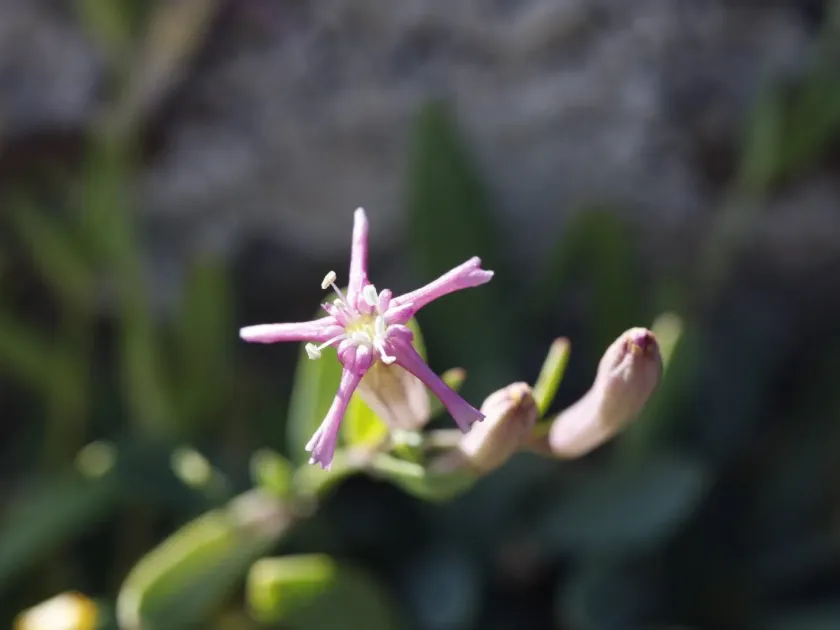
Lerchenfeld's catchfly (Silene lerchenfeldiana) is a perennial herbaceous plant belonging to the Caryophyllaceae family. It is native to the high-mountain ecosystems of Southeastern Europe.
Botanically, this species is well-adapted to alpine environments, displaying a compact growth habit that helps it withstand strong winds and intense solar radiation common at high altitudes.
The plant thrives in well-drained, gritty, or rocky soils. It is highly intolerant of waterlogged conditions, which typically lead to physiological stress and root rot in cultivated settings.
For successful cultivation, provide a location with full sun to partial shade. The species prefers cool, airy environments, mimicking its natural habitat in mountain ridges and rock crevices.
In terms of utilization, Silene lerchenfeldiana is a prized ornamental plant, ideal for rock gardens, troughs, and alpine borders, adding a delicate touch of color to rocky landscapes.
Main diseases and pests
The primary threats to this species include fungal infections such as root rot and powdery mildew, often triggered by poor drainage and high humidity levels around the foliage.
Pests that commonly affect the plant include aphids, which can infest buds, and snails or slugs that find the tender leaves attractive, especially during the wetter seasons.
Good cultural practices, such as ensuring excellent soil drainage and providing adequate spacing for airflow, are the best methods to prevent most common plant diseases.
If an infestation occurs, manual removal of pests or the use of mild botanical insecticides is recommended to maintain the plant's health without disrupting the garden ecosystem.
Monitoring for signs of chlorosis or leaf spotting is essential, as these are often the first indicators that the plant is struggling with environmental conditions or pathogens.