
Siderasis fuscata
Siderasis fuscata
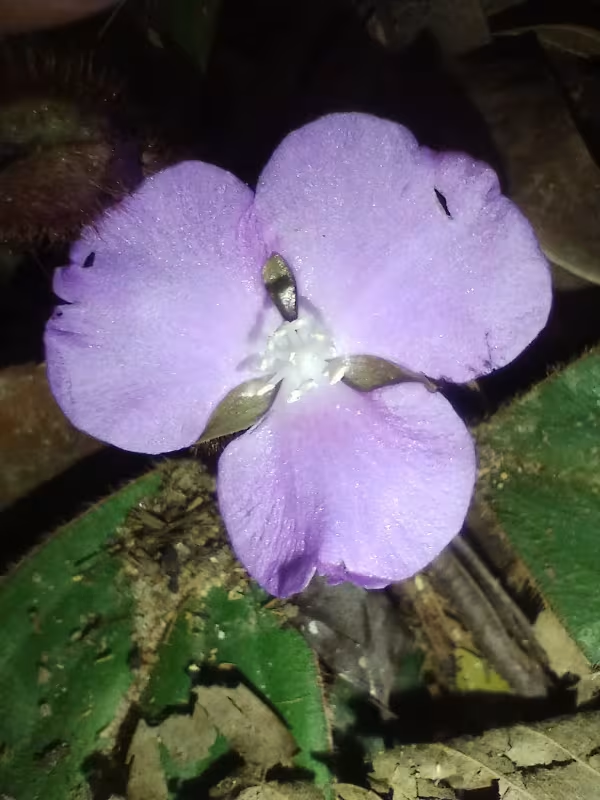
Description
Growing requirements
Siderasis fuscata, commonly known as the brown spiderwort, is a herbaceous perennial belonging to the Commelinaceae family. Native to the rainforests of Brazil, it has evolved to thrive in the shaded, high-humidity environment of the jungle floor.
The plant is prized for its rosette of broad, ovate leaves that are densely covered with brown, velvety hairs. This distinct pubescence gives the foliage a unique aesthetic quality, making it a popular choice for collectors of ornamental tropical plants.
For successful cultivation, Siderasis fuscata requires a warm and stable climate. It flourishes in temperatures between 18°C and 25°C. It is strictly a container-grown plant in non-tropical regions, requiring protection from any cold drafts or sudden temperature drops.
The soil must be rich in organic matter and possess excellent drainage properties. A typical substrate mixture includes peat moss, perlite, and high-quality potting soil to maintain consistent moisture without becoming waterlogged.
Consistent light exposure is critical; however, the plant should never be placed in direct, harsh sunlight. Indirect light is the ideal condition, which mimics the dappled shade found under the canopy of its natural rainforest habitat.
Main diseases and pests
The most common pest affecting Siderasis fuscata is the spider mite, especially when ambient humidity levels drop too low. These pests thrive in dry air and can cause significant damage to the delicate, hairy leaves.
Fungal infections, particularly root rot, are the most frequent health threats caused by poor cultural practices. Overwatering or the use of heavy, non-porous soil media creates an anaerobic environment that kills the root system.
Mealybugs are another potential threat. These insects often hide within the dense hairs of the leaf surface, making early detection and treatment challenging without a regular maintenance schedule.
Botrytis, or gray mold, can occur if the foliage remains wet for extended periods in environments with poor air circulation. It is essential to ensure that leaves dry off after irrigation to prevent the onset of fungal spores.
Prevention involves maintaining good plant hygiene, keeping the leaves clean of dust, and ensuring that no stagnant water remains in the plant's crown or saucers after watering sessions.