
Sida glaziovii
Sida glaziovii
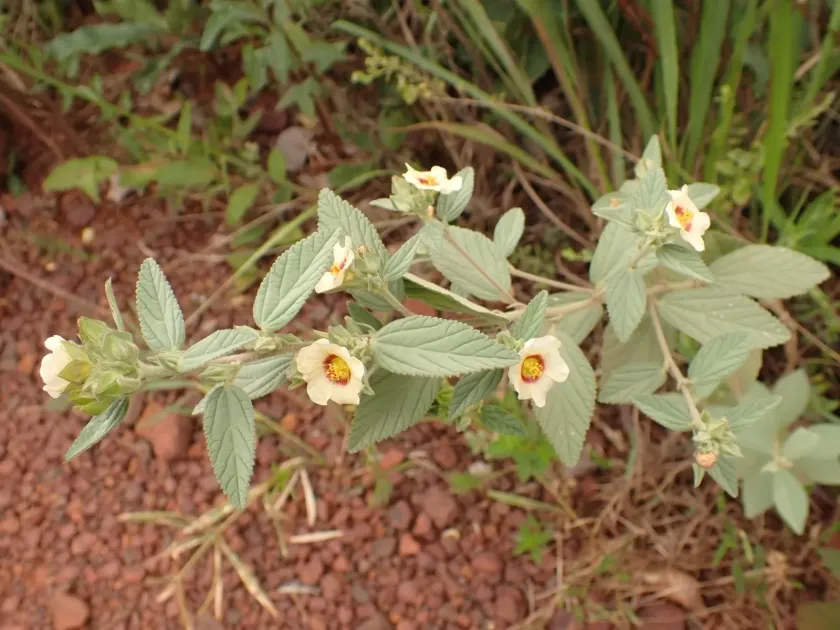
Description
Growing requirements
Sida glaziovii is a perennial herbaceous plant or subshrub belonging to the Malvaceae family. Native to the tropical and subtropical regions of South America, this species is most commonly found within the diverse ecosystems of Brazil.
The plant features a well-developed root system and an upright stem capable of reaching significant heights under optimal conditions. Its leaves display the characteristic shape often found in mallow species, frequently with serrated margins, which supports efficient photosynthesis in high-sunlight environments.
To thrive, this crop requires a consistently warm climate, as it is highly sensitive to frost which can severely damage its aerial parts. The ideal temperature range for active vegetation is between 20 and 30 degrees Celsius, provided that air humidity levels remain sufficient.
Sida glaziovii prefers fertile, well-drained loamy or sandy soils with a neutral to slightly acidic pH level. Waterlogging in the root zone is detrimental to the plant, therefore proper site selection and terrain management are critical during the planning phase of cultivation.
Standard agronomic practices include regular inter-row cultivation to ensure soil aeration and to manage weeds during the early stages of development. The crop responds well to organic and mineral fertilizers, especially during the period of intensive green biomass accumulation.
Yield
The primary economic value of Sida glaziovii lies in the extraction of high-quality vegetable fiber from its stems. Due to its physical and chemical properties, this fiber is comparable to jute and other bast fiber crops, making it a promising raw material for the textile and paper industries.
Beyond fiber production, the aerial biomass can be utilized for cellulose manufacturing or as a source of biofuel. Research indicates that the biomass of this species is characterized by high density and favorable calorific value, offering potential for the industrial use of processing residues.
Economic utility also includes potential application in animal feed formulations after appropriate processing, as the protein content in young foliage can be significant. However, this specific aspect requires further research regarding safety standards for livestock nutrition.
The yield of fiber-producing stems is directly influenced by planting density and the level of agronomic care. By adhering to intensive cultivation technologies, growers can achieve yields of several tons of dry fiber per hectare within a single growing season.
This crop holds potential for the restoration of degraded lands due to its natural ability to produce large amounts of biomass quickly. This allows it to be considered not only as a raw material source but also as a phytoremediation plant for the rehabilitation of exhausted soil territories.
Main diseases and pests
Like many other members of the Malvaceae family, Sida glaziovii is susceptible to specific pests common in tropical climates. The most prominent threats include foliage-feeding insects, such as various species of leaf beetles and caterpillars belonging to the Lepidoptera order.
Fungal diseases affecting the stems and roots, often caused by pathogens such as Fusarium or Rhizoctonia, pose a serious threat in high-humidity conditions. Preventive measures include strict adherence to crop rotation schedules and avoiding excessive planting density.
Viral diseases can be transmitted by insect vectors such as aphids or whiteflies. Infected specimens should be removed from the field promptly to prevent the spread of pathogens to neighboring healthy plants.
Weed infestation presents the greatest competition during the seedling stage, as the plant's relatively slow initial growth makes it vulnerable to shading and nutrient depletion. Mulching and timely mechanical weeding are effective methods to mitigate competitive pressure.
Continuous monitoring of crop health is essential, particularly during periods of heavy rainfall when the risk of pathogenic flare-ups is elevated. Implementing proactive defense strategies allows for the reduction of harvest losses and maintains the quality of the harvested bast fibers.