
Forked cinquefoil
Sibbaldianthe bifurca
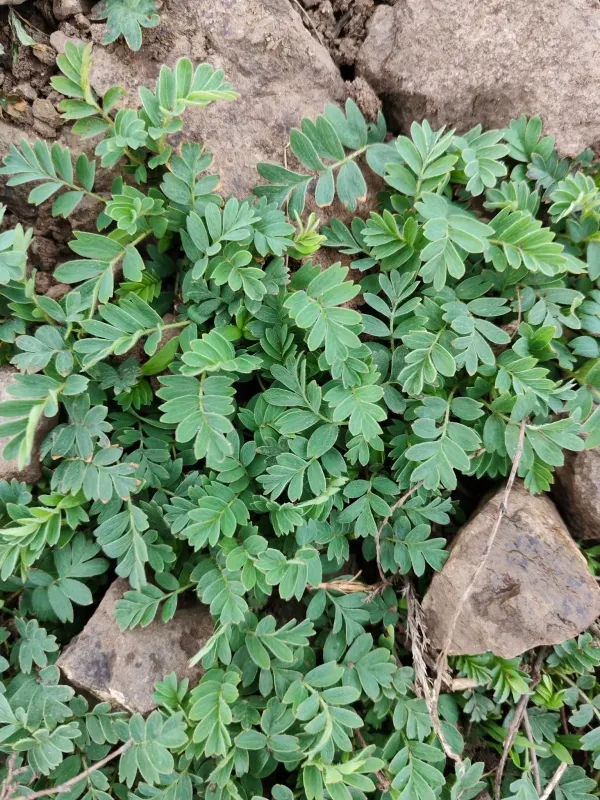
Description
Growing requirements
Forked cinquefoil (Sibbaldianthe bifurca) is a resilient perennial herbaceous plant belonging to the Rosaceae family. It is recognized in agricultural science for its hardiness and ability to thrive in challenging environmental conditions where traditional forage crops might fail.
The species is native to the steppe and semi-desert regions of Eurasia, specifically spanning parts of Mongolia, Siberia, and Central Asia. Its evolutionary history in these continental climates has equipped the plant with superior drought tolerance and cold hardiness.
Regarding soil requirements, the plant is not overly demanding. It excels in sandy and well-drained loam soils but also demonstrates remarkable tolerance to saline conditions and compacted ground. This versatility makes it an ideal candidate for revegetation projects in semi-arid regions.
Climatic adaptability is a cornerstone of this species. It requires full sun to reach its full vegetative potential and is highly resistant to frost, allowing it to begin growth early in the spring season as soon as the soil temperatures permit.
In terms of agricultural utility, Sibbaldianthe bifurca serves as an important forage resource for grazing livestock. Furthermore, its extensive underground structure plays a vital role in soil conservation, effectively anchoring topsoil and mitigating the risks associated with wind erosion in degraded steppe areas.
Main diseases and pests
The main threats to the plant's health include fungal pathogens, such as powdery mildew, which tend to proliferate in stagnant, overly humid conditions. Ensuring proper field ventilation and avoiding excessive irrigation are key cultural practices for mitigation.
Pest pressures are generally manageable, though outbreaks of leaf-eating beetles or aphids can occur in dense stands. Integrated pest management strategies, emphasizing mechanical control and habitat management, are recommended to preserve the forage quality and stand longevity.