
Shorea superba
Shorea superba
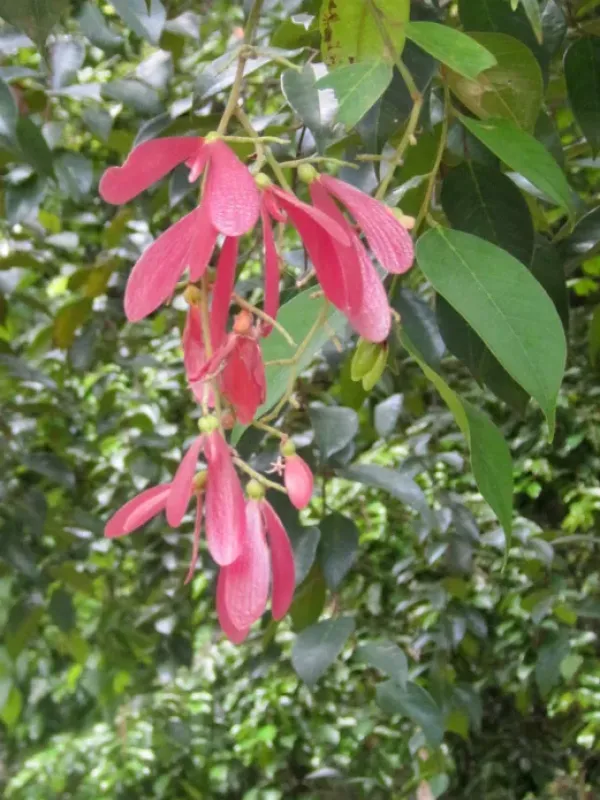
Description
Growing requirements
Shorea superba is a prominent tropical tree species belonging to the Dipterocarpaceae family. It is primarily indigenous to the rainforests of Borneo, playing a crucial role in the biodiversity and structural integrity of its native ecosystem.
The cultivation of Shorea superba demands specific climatic conditions, characterized by stable tropical temperatures and consistent rainfall throughout the year. The soil must be well-drained and nutrient-rich, as the species is sensitive to waterlogged environments.
Botanically, this species is defined by its substantial height and high-quality timber properties. It thrives in high-humidity zones where it can eventually emerge above the canopy, requiring specialized management of light intensity during the nursery and sapling stages.
Agrotechnical approaches for this species focus on sustainable forestry management. Successful plantation requires careful site selection, initial protection from competing vegetation, and an understanding of its slow-growth characteristics in the early phases.
The economic utilization of Shorea superba is heavily driven by the timber industry. Its wood is highly valued for construction, flooring, and furniture manufacturing due to its exceptional durability, density, and natural resistance to decay-inducing organisms.
Main diseases and pests
Primary biological threats to Shorea superba populations include wood-boring beetles that target the vascular systems of young trees. Furthermore, fungal infections can cause significant damage in dense plantations where airflow and light penetration are insufficient.