
Shorea platyclados
Shorea platyclados
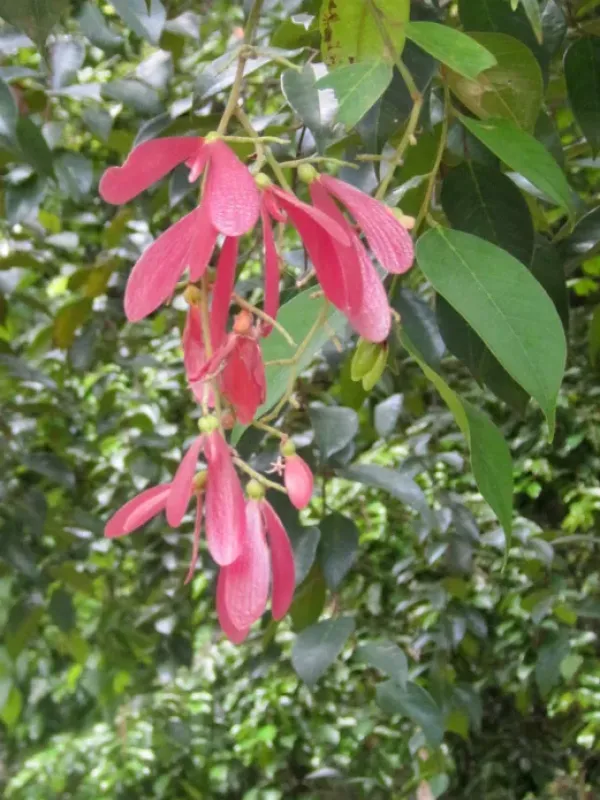
Description
Growing requirements
Shorea platyclados is a significant tree species belonging to the Dipterocarpaceae family. It is recognized as one of the most prominent timber trees in its native tropical environment, often growing in massive stands within primary rainforests.
The species is primarily native to the tropical regions of Southeast Asia, specifically found in Malaysia, Sumatra, and parts of Indonesia. It thrives in humid lowland forests and lower montane regions where consistent rainfall is guaranteed.
Ecologically, the species requires deep, fertile, and well-drained soils to support its substantial size. It is a shade-tolerant species during its sapling stage, which is a critical adaptation for survival in the dense understory of tropical forests.
In terms of forestry management, reforestation projects focus on the careful collection of seeds, which are known for their recalcitrant nature. Nurseries are established to protect seedlings from excessive direct sunlight and pests until they are mature enough for transplanting.
The primary economic output of this tree is high-quality timber, categorized commercially as Dark Red Meranti. Its wood is highly valued globally for its workability, resistance to decay, and excellent strength-to-weight ratio, making it ideal for interior joinery.
Main diseases and pests
The status of the population is vulnerable due to extensive logging practices and the conversion of forest land into agricultural plots for palm oil cultivation. Habitat loss remains the most significant challenge to the survival of wild stands.
Biotic threats include various boring insects that attack the heartwood, reducing the commercial value of the timber. Additionally, seedlings and saplings are susceptible to soil-borne pathogens that can cause root rot under conditions of poor soil drainage or excessive humidity.