
Shorea ochrophloia
Shorea ochrophloia
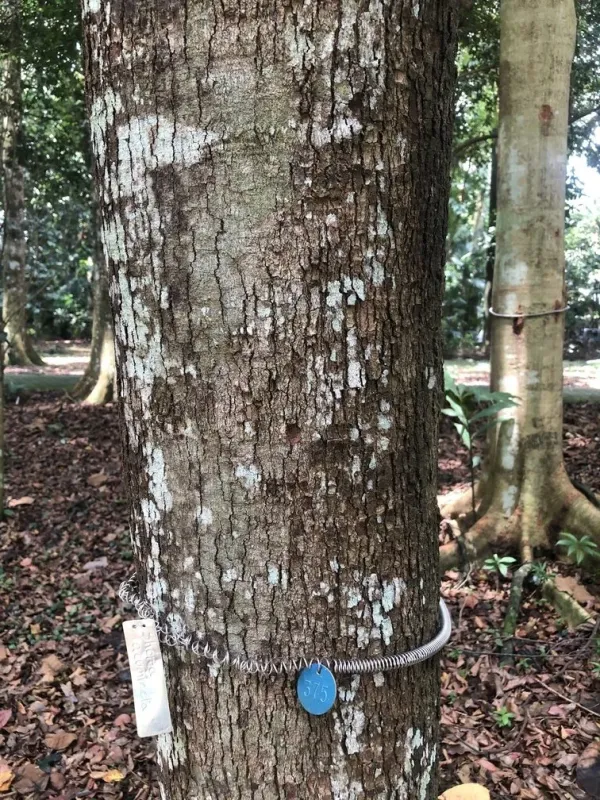
Description
Growing requirements
Shorea ochrophloia is a large evergreen tree species within the Dipterocarpaceae family. This species is native to the lowland tropical rainforests of Southeast Asia, where it contributes significantly to the forest canopy structure.
The species requires a tropical climate characterized by consistently high temperatures, ideally ranging between +24 and +30 degrees Celsius, and high annual rainfall levels without prolonged dry seasons.
For successful growth, Shorea ochrophloia thrives in deep, fertile, and well-drained soils. While it favors moist conditions, it is sensitive to waterlogging, which can impede root respiration and lead to decay.
In terms of silviculture, the tree is known for its slow to moderate growth rate. Young seedlings often require partial shade, while mature individuals are shade-intolerant and require direct sunlight for optimal wood development.
The primary economic value of this tree is its high-density, durable timber, which is highly sought after in international markets for furniture manufacturing, construction, and high-end cabinetry due to its strength and resistance to decay.
Main diseases and pests
Habitat loss due to large-scale deforestation and the conversion of primary forests into agricultural plantations remains the most significant threat to the survival of Shorea ochrophloia.
The species is susceptible to various fungal pathogens that thrive in tropical environments, particularly those that target the root system or cause stem rot during periods of environmental stress.
Insect pests, specifically wood-boring beetles and termites, can cause significant damage to the timber, reducing its economic viability and the overall health of the tree population.
Changing rainfall patterns and increased frequency of droughts impact the physiological health of these trees, making them more vulnerable to secondary pest infestations and competitive pressure.
Conservation efforts are currently focused on reforestation initiatives and the establishment of protected areas to ensure the long-term genetic diversity and survival of this valuable timber species.