
Shorea leptoderma
Shorea leptoderma
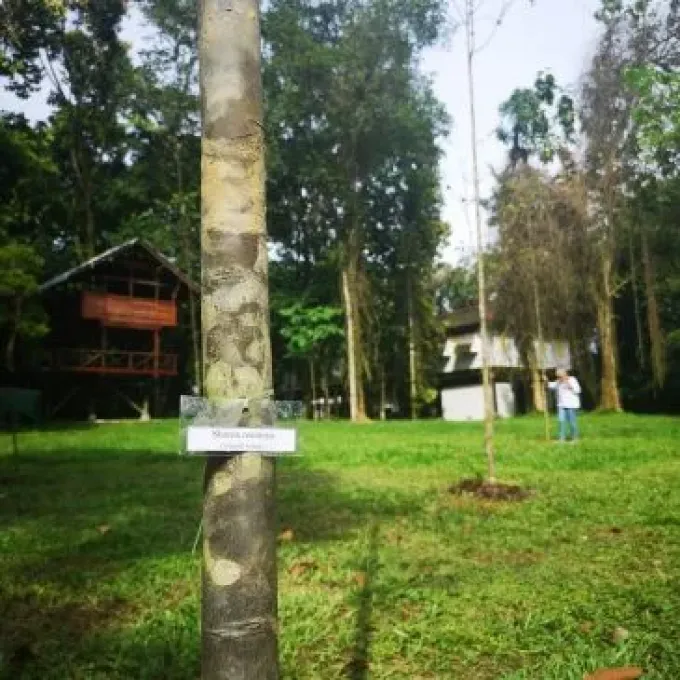
Description
Growing requirements
Shorea leptoderma is a significant species belonging to the family Dipterocarpaceae. This majestic evergreen tree is native to the tropical rainforests of Southeast Asia, specifically thriving in the humid lowlands of Borneo, where it forms an essential component of the forest structure.
The cultivation of this species requires specific environmental parameters consistent with tropical climates. It performs best in deep, well-drained soils that are rich in organic matter, avoiding areas prone to waterlogging which can compromise the tree's deep root system.
Biologically, Shorea leptoderma is characterized by its steady growth habit and need for a transition from shaded nursery conditions to high-light exposure as the tree matures. Optimal temperature ranges between 24 and 30 degrees Celsius are necessary for maintaining consistent annual growth rates.
Forestry practices for this species focus on sustainable stand management, including thinning to ensure adequate spacing. Given the tree's extensive canopy development, proper management is essential to prevent overcrowding and promote the formation of clear, high-quality timber logs.
The economic value of this tree is derived primarily from its timber, which is highly regarded for its physical robustness and aesthetic appeal. It is commonly utilized in the manufacturing of high-end furniture, construction beams, and premium plywood, owing to its durability and resistance to warping.
Main diseases and pests
Significant threats to the vitality of these plantations include fungal pathogens that exploit high humidity and soil saturation. Furthermore, specific borers and sap-sucking insects pose a risk to young trees, necessitating integrated pest management strategies to protect the forest assets.
Harvesting
The harvest cycle for Shorea leptoderma is characterized by long-term forest management plans, typically spanning several decades. Sustainable harvesting techniques, such as selective logging, are employed to ensure the longevity of the species while providing a steady supply of timber.