
Shorea dealbata
Shorea dealbata
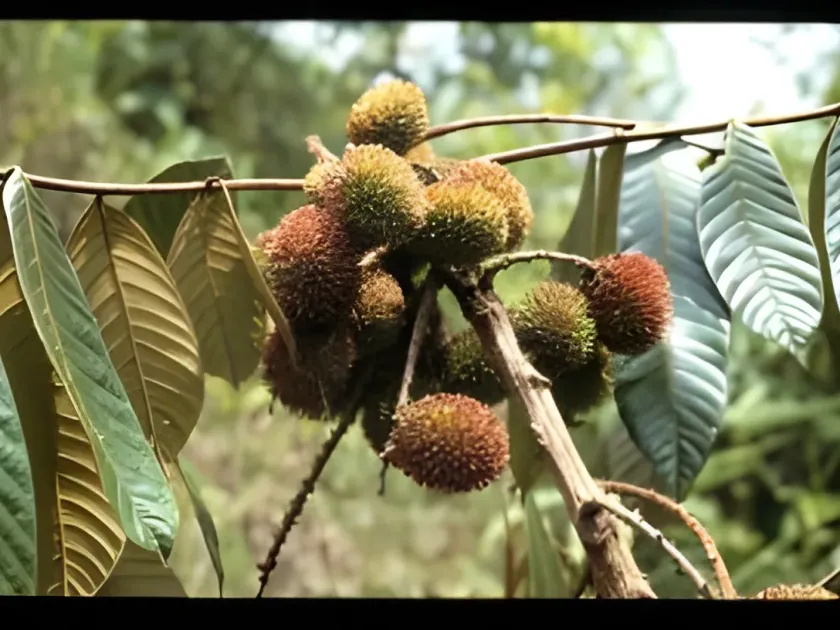
Description
Growing requirements
Shorea dealbata is a tropical tree species belonging to the Dipterocarpaceae family, native to the lush rainforests of Southeast Asia. It thrives in humid tropical environments, requiring consistent precipitation throughout the year to maintain its rapid growth cycle.
The tree demands deep, nutrient-rich, and well-drained soil types to support its extensive root system. It is highly adapted to the specific microclimates of lowland evergreen forests and struggles in regions with prolonged dry seasons or nutrient-poor sandy soils.
Botanically, it is characterized by its significant height and straight, clear boles, which make it a highly desirable species for forestry management. The tree species is known for its ecological role as a primary canopy layer member, contributing to the structural integrity of the forest.
Silvicultural management focuses on ensuring the adequate spacing of individuals to optimize light interception and crown development. Seedlings generally require a sheltered environment during their early stages of growth to survive intense sunlight and wind exposure.
The timber is widely valued in global markets for its durability and strength, frequently utilized in heavy construction, boat building, and the production of high-end furniture. Its wood density and grain quality make it a premium choice for industrial purposes.
Main diseases and pests
The primary threats to Shorea dealbata involve defoliating insects that can stress young populations during the monsoon season. Pathogenic fungi, specifically those causing root rot or stem cankers, can also cause significant mortality if the site drainage is compromised.