
Senecio reinholdi
Senecio reinholdi
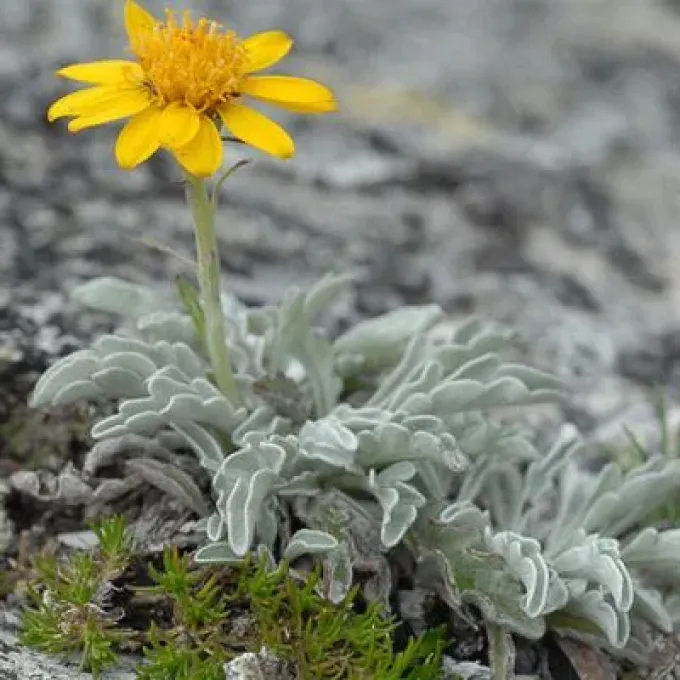
Description
Growing requirements
Senecio reinholdi is a perennial herbaceous plant belonging to the large Asteraceae family. Known for its resilience, this species is primarily native to alpine and subalpine zones where it thrives in harsh mountainous climates.
The botanical structure of the plant features specialized foliage and sturdy stems designed to withstand high winds and varying temperatures. It acts as a primary component in its native ecosystem, contributing to soil stability in rocky environments.
For successful cultivation, the species requires well-drained, porous soils that mimic its natural alpine environment. Soil compaction is a major inhibitor of root development, so maintaining an airy soil structure is essential for plant longevity.
Regarding light conditions, Senecio reinholdi performs best in areas receiving full sunlight. While it is hardy, excessive heat combined with stagnant moisture can lead to rapid physiological stress, making site selection crucial.
Agricultural management should prioritize minimal interference with the natural growth cycle. Fertilization should be sparing, as the plant is adapted to nutrient-poor soils, and excessive nitrogen can result in weak, succulent growth susceptible to mechanical damage.
Main diseases and pests
The primary threats to Senecio reinholdi are related to fungal pathogens caused by improper watering practices. Root rot is a common occurrence if the root zone remains saturated for extended periods during the dormant or growth season.
Pests such as aphids and spider mites can occasionally colonize the plants, particularly when grown in sheltered, non-alpine conditions. These insects target the nutrient-rich sap of the plant, often weakening it if not controlled early.
Effective management includes regular monitoring for early signs of infestation or infection. Removing dead leaf litter from the base of the plant is a critical cultural practice to reduce the population of overwintering pests and fungal spores.
In cases of severe infestation, biological controls such as beneficial insects or soft horticultural soaps are recommended over broad-spectrum pesticides to maintain ecological balance. Proper ventilation of the planting area is also a major deterrent against fungal attacks.
Ensuring that the plant is not overcrowded by neighboring species helps in maintaining a healthy airflow, which keeps the foliage dry and discourages the establishment of many common garden pathogens.