
Senecio inornatus
Senecio inornatus
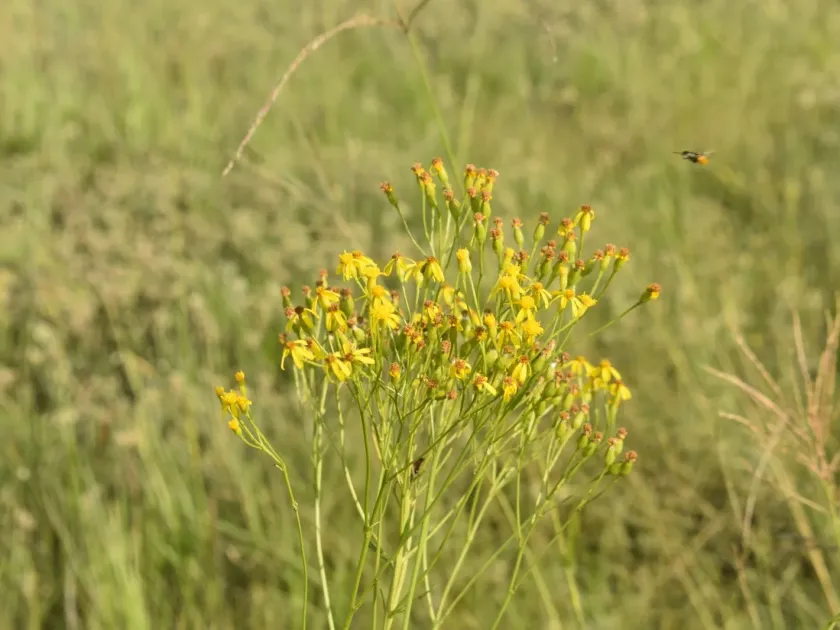
Description
Growing requirements
Senecio inornatus is a perennial herbaceous plant belonging to the Asteraceae family. Known for its resilience, this species occupies specific ecological niches and requires precise management when integrated into agricultural or land restoration projects.
The plant thrives in well-drained soil conditions, preferring loam or sandy-loam textures that allow for healthy root development. Neutral to slightly acidic soil environments provide the best nutrient availability, supporting the vigorous growth of its foliage during the active vegetative phase.
Regarding climate, the species demonstrates adaptability to temperate conditions. It requires moderate sunshine and consistent moisture levels to reach its peak biomass. Excessive waterlogging should be avoided, as it can lead to root system decay and susceptibility to opportunistic pathogens.
Agronomic practices for this species focus on site preparation and competition management. Since the species can be aggressive in some environments, planting densities must be strictly controlled. Regular monitoring of the growth stage is essential for successful establishment.
The economic value of this plant is niche, often studied for its botanical properties. Due to the presence of pyrrolizidine alkaloids common in the Senecio genus, producers must be cautious regarding its potential toxicity to livestock and handle the harvest with appropriate safety protocols.
Main diseases and pests
Major phytopathological threats include fungal infections such as rust and powdery mildew. These diseases typically manifest in dense stands with poor airflow. Implementing mechanical thinning and applying systemic fungicides during the early onset are standard control measures.
Common insect pests include aphids and larvae of various Lepidoptera species that feed on the soft tissues of the plant. Integrated pest management (IPM) strategies, including biological control agents and targeted applications, are recommended to minimize damage while preserving environmental balance.