
Seguieria langsdorffii
Seguieria langsdorffii
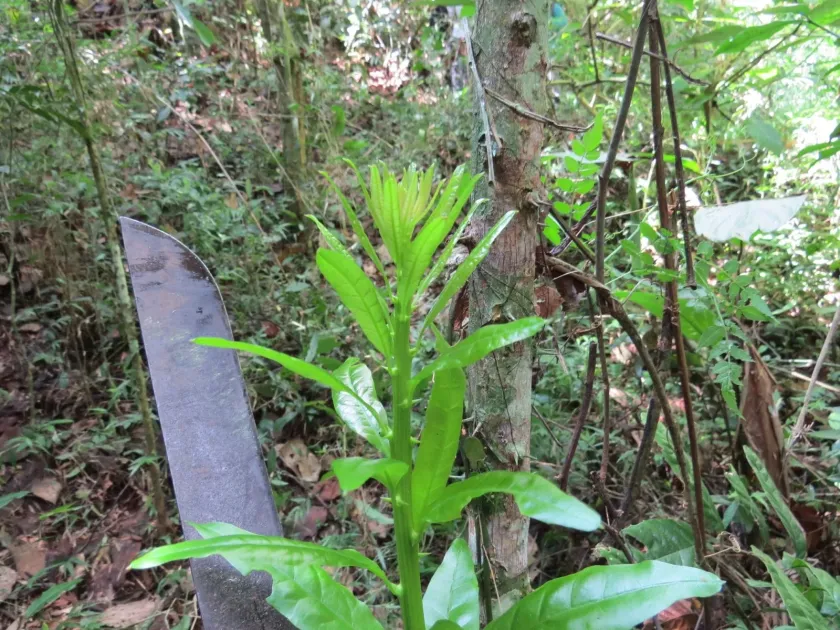
Description
Growing requirements
Seguieria langsdorffii is a perennial woody vine belonging to the Phytolaccaceae family. It is native to the tropical forests of South America, primarily flourishing in the diverse ecosystems of Brazil.
To cultivate this species successfully, a tropical environment with consistently warm temperatures is essential. The plant thrives in high-humidity conditions, mirroring the climate of its native rainforest habitat.
Soil requirements include high organic matter content and excellent drainage. The plant cannot tolerate waterlogged conditions, which lead to rapid root degradation; therefore, a light, porous soil mix is highly recommended.
Botanically, the plant is distinguished by its climbing habit, supported by specialized hook-like spines on the stems. These structures allow the plant to secure itself to trees and other supports as it searches for canopy light.
The agricultural and botanical utility of the species remains largely tied to its biochemical properties. It is often studied for its secondary compounds, which are of interest in ethnobotanical research.
Main diseases and pests
The primary threats to Seguieria langsdorffii include fungal pathogens that exploit high humidity and poor air circulation. Proper spacing and pruning are vital for maintaining plant health in controlled environments.
Pests such as spider mites and scale insects are common adversaries for members of the Phytolaccaceae family. These insects target the foliage, necessitating vigilant monitoring and timely intervention.
Root rot is a recurring issue caused by improper irrigation practices. Ensuring a well-draining substrate is the most effective way to prevent these soil-borne threats from damaging the plant.
Leaf-eating insects can occasionally cause damage to the foliage, reducing the plant's overall vigor. Integrated pest management strategies are advised to keep populations of these insects at manageable levels.
Environmental stress, such as sudden shifts in humidity or nutrient deficiency, can render the vine more susceptible to secondary infections. Maintaining optimal growth parameters is the best defense against threats.