
Scytopetalum klaineanum
Scytopetalum klaineanum
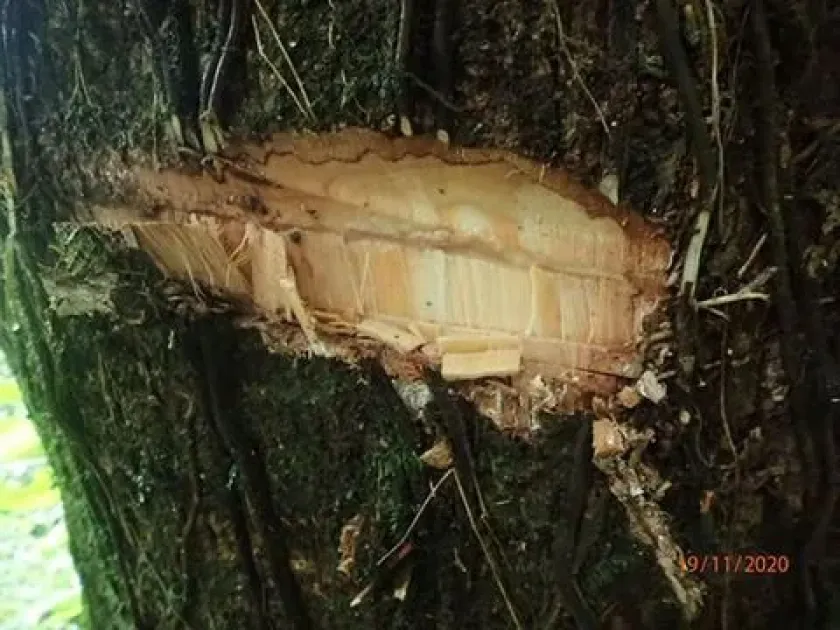
Description
Growing requirements
Scytopetalum klaineanum is a member of the Lecythidaceae family, representing a large evergreen tropical tree. Its natural habitat includes the humid tropical forests of West and Central Africa, particularly in regions like Gabon, Cameroon, and Nigeria.
The plant has strict climatic requirements, thriving in areas with consistent year-round rainfall. Optimal growth is achieved within a temperature range of +22 to +30 degrees Celsius, with minimal daily fluctuations.
High relative humidity is a critical requirement for this species, reflecting its ecological niche in lowland tropical forests. The tree is highly susceptible to prolonged drought, which necessitates consistent soil moisture management in plantation settings.
The soil profile must provide excellent drainage, as waterlogging is detrimental to the root system. The culture prefers deep, organic-rich lateritic or loamy soils with an acidic to neutral pH level.
Botanically, the species is defined by a robust trunk and a dense canopy that provides natural soil shading. The leaves are simple, alternate, and leathery, an adaptation meant to endure intense solar radiation and heavy rainfall found in its native ecosystem.
Harvesting
The commercial utility of Scytopetalum klaineanum is primarily centered on the timber industry. The wood is highly valued for its density, superior mechanical strength, and inherent resistance to various biological degradation factors.
Timber harvesting is conducted according to established forestry management practices, adhering to strict age requirements for individual trees. Sustainable harvesting is vital, as natural regeneration of the species is relatively slow.
The wood is utilized in construction, high-end furniture manufacturing, and joinery projects that demand durability. Due to its unique grain texture and polishing potential, the material is frequently sought for luxury interior finishing.
Local communities utilize various parts of the tree for traditional crafts and ethnobotanical applications. While not currently grown as a large-scale agricultural crop, research into its cultivation continues within the framework of agroforestry.
Seed collection for reforestation requires precise timing aligned with the peak of biological maturity. Proper post-harvest handling and initial processing of seeds are essential to ensure viability and successful germination.